A check engine light, rough idle, or unusual noise can make you wonder how serious the problem is. Does your car need a simple repair, or could something more significant be happening under the hood?
The answer depends on what's causing the symptoms. A worn spark plug, faulty sensor, cooling system problem, or internal engine issue can sometimes produce similar warning signs. That's why finding the underlying cause matters more than guessing which part needs replacing.
At Pearl City Auto Works, we help drivers in Aiea, Pearl City, and surrounding Oahu communities understand what's happening with their vehicles. Our approach starts with evaluating the concern, performing the appropriate diagnostic testing, and explaining the recommended next steps before you authorize repairs.
Signs Your Engine May Need Professional Attention
Your engine often gives you clues when something isn't working correctly. Some problems develop gradually, while others appear suddenly.
Pay attention to changes in how your vehicle starts, accelerates, idles, or sounds.
Warning sign | What it may indicate |
|---|
Check engine light | A fault detected by the vehicle's onboard diagnostic system |
Rough idle or engine shaking | An ignition, fuel, air-intake, sensor, or mechanical concern |
Loss of power | A problem affecting combustion, airflow, fuel delivery, or another engine system |
Unusual knocking or ticking | A possible lubrication, mechanical, or internal engine concern |
Engine overheating | Cooling system issues involving coolant, the radiator, fans, thermostat, or water pump |
Difficulty starting or stalling | A possible electrical, fuel-delivery, ignition, or engine-related problem |
Visible fluid leaks | A leaking seal, gasket, hose, or related component |
These symptoms are starting points, not diagnoses. For example, a rough-running engine doesn't automatically need new spark plugs. An ignition coil, fuel-delivery issue, or mechanical problem could be responsible instead.
We use engine diagnostics and repair to investigate these concerns and determine what additional testing may be needed.
When Should You Stop Driving?
Not every engine warning requires the same response. The severity of the symptoms matters.
A steady check engine light with otherwise normal vehicle operation generally calls for prompt diagnostic attention. However, a flashing light may indicate a serious misfire that can damage emissions-system components.
If the check engine light flashes, reduce engine load, pull over somewhere safe, and shut off the engine. Avoid continuing to drive until the problem has been assessed.
Other warning signs that warrant stopping as soon as it is safe include:
- • An overheating warning or temperature gauge entering the red zone.
- • A low engine oil pressure warning.
- • Severe knocking accompanied by poor engine performance.
- • Smoke, a burning smell, or sudden power loss.
If the engine is overheating, do not open the radiator cap while the system is hot. Pressurized coolant can cause serious burns.
For more information about the difference between a steady warning light and one that flashes, see our Check Engine Light Repair and Diagnostics service.
How We Diagnose Engine Problems
An engine diagnostic appointment involves more than connecting a scanner and reading a trouble code.
Modern engines depend on sensors, electrical circuits, ignition components, fuel systems, and mechanical parts working together. A fault in one area may create symptoms that appear to originate somewhere else.
Our diagnostic process focuses on identifying the cause before recommending repairs.
Understanding the Symptoms
We start by learning what's happening with your vehicle.
It helps to know when the problem first appeared, whether it happens during acceleration or idling, and whether any dashboard warning lights are illuminated.
For example, an engine that hesitates only while accelerating may require a different investigation from one that has difficulty starting after sitting overnight.
Reviewing Diagnostic Codes and Vehicle Data
Our technicians use professional diagnostic equipment and updated software to retrieve available trouble codes and review relevant vehicle information.
A trouble code identifies a problem detected by the vehicle's computer. It does not always identify the exact defective part.
If a code points to an oxygen-sensor-related concern, for instance, additional testing may be necessary to determine whether the sensor itself is faulty or whether another condition is affecting its readings.
We do not treat replacing the component named in a code description as an automatic solution.
Depending on the symptoms and initial findings, further testing may involve evaluating ignition components, fuel delivery, sensors, electrical connections, air leaks, or mechanical engine operation.
Some problems are straightforward to identify. Intermittent concerns can require additional diagnostic time because the symptoms may not appear consistently.
We explain the recommended diagnostic time and associated cost before proceeding with further testing. Our diagnostic work is billed in time increments rather than automatically applying one flat fee to every problem.
Explaining the Findings
Once we have enough information, we discuss what the testing indicates and which repairs may be appropriate.
We also explain the work being recommended so you can make an informed decision.
Our computer diagnostics service provides additional information about how electronic faults, sensors, and vehicle control systems are evaluated.
Common Engine Problems and Repair Options
Engine repair doesn't always mean removing or replacing the entire engine.
Many problems involve individual components or supporting systems. The appropriate repair depends on which component has failed, whether related damage has occurred, and the vehicle's overall condition.
Ignition and Misfire Problems
Spark plugs, ignition coils, and related components help the engine ignite its air-fuel mixture at the proper time.
When an ignition component develops a fault, the engine may misfire, hesitate, or run roughly.
Depending on the diagnosis, a targeted repair may involve replacing a worn component or addressing an electrical issue.
Routine tune-up service may help maintain applicable ignition components, but it is not a substitute for diagnosing an existing engine problem.
Cooling System Problems
The cooling system regulates engine operating temperature.
When a radiator, cooling fan, thermostat, hose, or water pump develops a problem, the engine may overheat.
Some overheating concerns become more noticeable in stop-and-go traffic, where the vehicle relies heavily on its cooling fans to move air through the radiator.
Our Cooling System Service and Repair addresses overheating concerns, coolant leaks, and related component problems.
Timing Belt Problems
On vehicles equipped with a timing belt, the belt helps synchronize the movement of important engine components.
If a timing belt fails, certain engine designs can suffer internal damage when pistons and valves collide.
Not every vehicle uses a timing belt, and replacement intervals vary by manufacturer and engine.
We offer Timing Belt Service for applicable vehicles, including evaluation of related components such as tensioners, idlers, seals, and the water pump when appropriate.
Internal Engine Damage
More significant engine problems can involve the cylinder head, head gasket, valves, or other internal components.
These repairs may require extensive testing and mechanical work.
We provide engine repair and maintenance, including major engine repairs when needed. Before discussing the appropriate repair, we evaluate the condition of the affected systems and the scope of the problem.
Is It Worth Repairing Your Engine?
When an engine problem appears expensive, it's reasonable to ask whether the repair makes financial sense.
There isn't one dollar amount or mileage threshold that determines whether every vehicle should be repaired or replaced.
Several factors deserve consideration.
The extent of the damage. A localized repair may be more practical than dealing with widespread internal wear. The diagnosis should establish which components are affected before larger decisions are made.
The vehicle's overall condition. A vehicle with significant existing mechanical problems may present a different decision from one that has otherwise been maintained.
The estimated repair cost. Compare the proposed repair with the vehicle's value and other transportation options. Consider what is included in the estimate and whether additional concerns remain.
How long you plan to keep the vehicle. Your ownership plans can help determine whether investing in the repair makes sense.
Your maintenance history. Reviewing previous services and recurring problems can provide helpful context for the decision.
If you are unsure whether an extensive repair is worthwhile, ask what the diagnosis confirms, what remains uncertain, and what alternatives should be considered.
For a detailed discussion of repair versus rebuild or replacement decisions, see our complete guide to engine repair.
What to Expect When You Bring Your Car to Our Aiea Shop
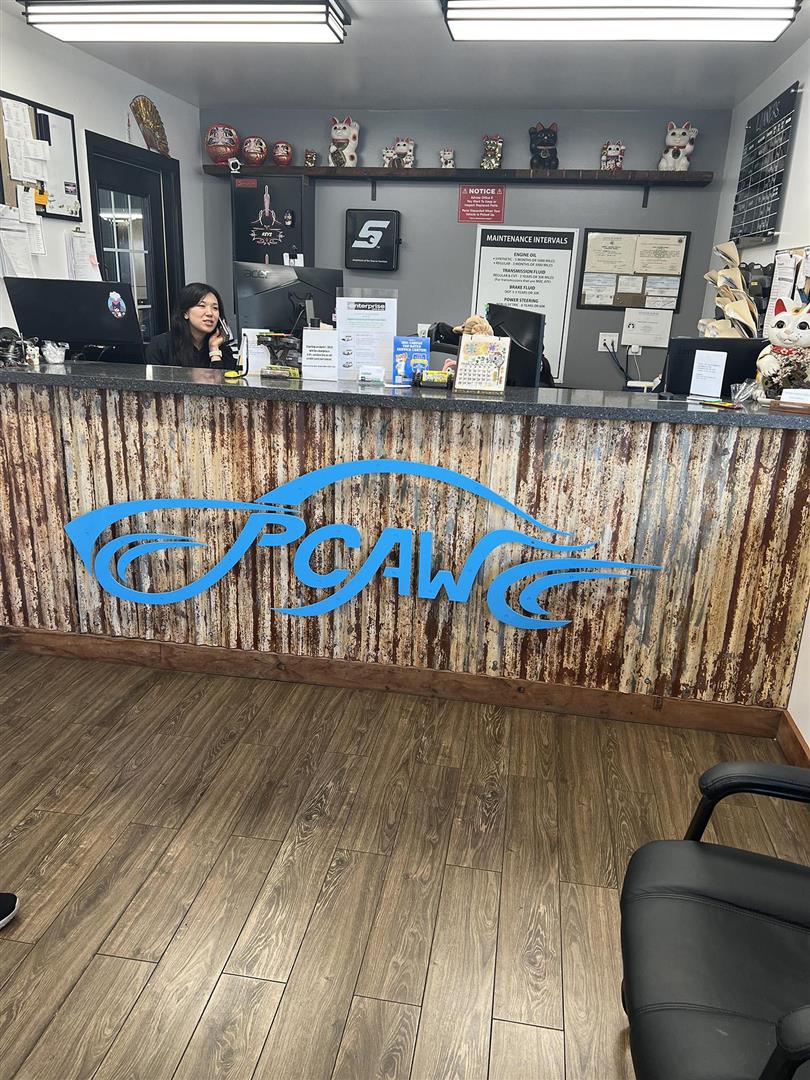
We understand that unexpected engine problems can disrupt your routine, especially when you depend on your vehicle for work or family transportation.
Our goal is to help you understand the problem and the available repair options without asking you to approve work you haven't discussed.
Here's how the process generally works.
- 1. Tell us what's happening. Describe the symptoms, when they began, and any recent maintenance or repairs.
- 2. We evaluate the concern. Our technicians perform the diagnostic steps appropriate to your vehicle and symptoms.
- 3. We discuss the findings. We explain what the testing indicates and the recommended next steps.
- 4. You authorize the work. We do not perform additional repairs without your authorization.
- 5. We complete and evaluate the repair. After the authorized work, we recheck the affected system as appropriate.
We also offer digital vehicle inspections that help communicate vehicle condition and service recommendations.
If transportation is a concern, ask us about our loaner vehicles or shuttle service to neighboring towns. Availability and arrangements should be discussed when scheduling.
We're a second-generation family-owned shop, and we believe knowing what is happening with your car is an important part of the repair experience.
What Our Customers Say About Their Experience
We know how important it is to understand what's happening with your vehicle before making repair decisions. Clear explanations and regular communication are part of how we approach service.
Here's what customers have shared about their experiences with our team:
“Explained everything that they were going to do to find the issue with my car.”
Omi Nalani, 5-star review, August 12, 2026
“I liked the video explaining work too.”
Derick Ebesuno, 5-star review, October 3, 2026
You can read more experiences on our customer reviews page.
Schedule Engine Diagnostics and Repair in Aiea
If your engine is running roughly, losing power, making an unusual noise, or displaying a warning light, the next step is to have the concern evaluated.
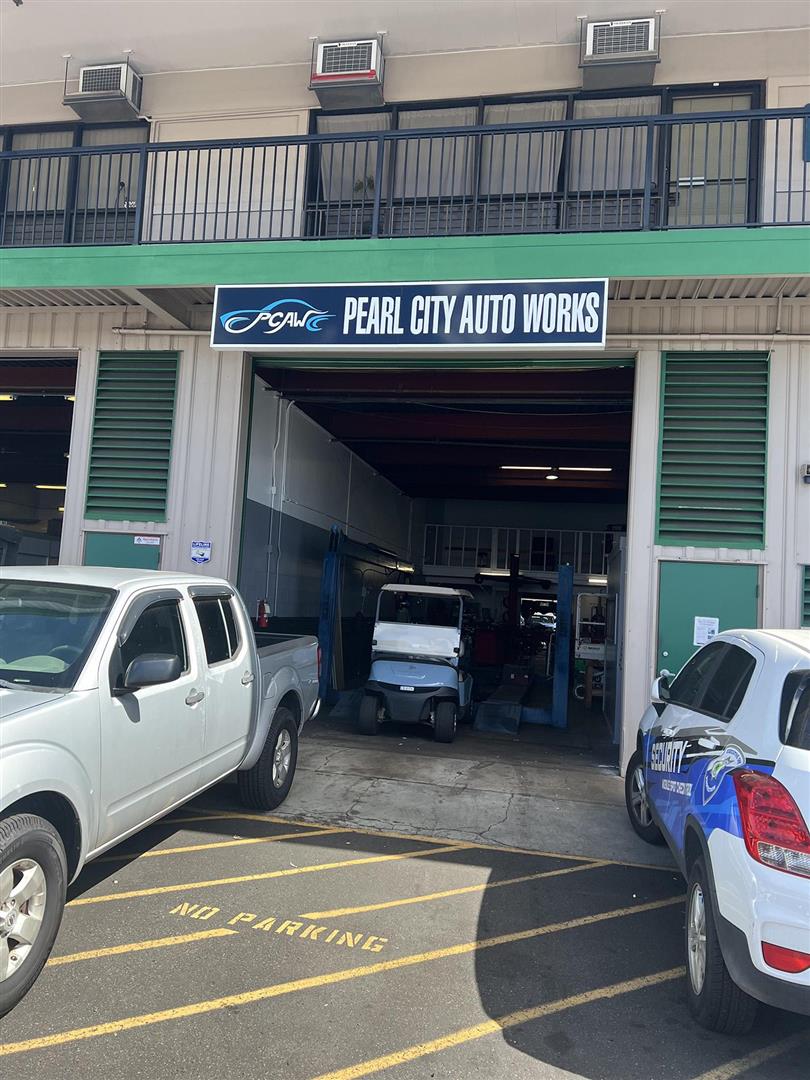
At Pearl City Auto Works, we provide engine diagnostics and repair for drivers in Aiea, Pearl City, and surrounding Oahu communities.
Our shop is located at 98-025 Hekaha St, Aiea, HI 96701.
Tell us what you're experiencing, and we'll help determine the appropriate evaluation. You can reach us at (808) 201-7272 or use our online appointment form.
Book a No-Contact Appointment
Appointment requests are subject to availability. If you have an urgent concern or need to
discuss transportation arrangements, please call our shop.