Posted on 12/24/2025
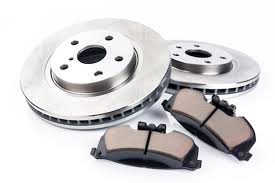
Brakes are a normal wear item for any car and eventually they’re going to need to be replaced. A vehicle’s braking system should be checked at least once a year and a thorough inspection should include brake lining wear, brake fluid level, condition of hoses and brake lines, brake and dash warning lights, as well as taking the car for a test drive to detect other potential brake system problems. Brake inspections are more crucial when your vehicle is driven in a lot of stop & go traffic. If your car is pulling to the left or right, or if you hear odd noises when you apply the brakes, they should be inspected. Other warning signs include an illuminated brake warning light, brake dragging, low pedal, pulsation, hard pedal feel and squealing. Pearl City Auto Works will inspect your car’s brake system and diagnose any problems right away. We will service any worn brake components on Toyota, Lexus, Nissan, Infiniti, Honda, Acura, Kia, Hyundai, M ... read more
Posted on 12/16/2025
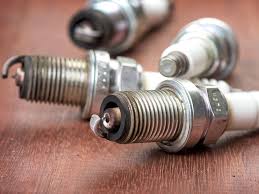
The spark plug performs a huge job in delivering a vehicle’s power, performance, and fuel efficiency. Spark plugs may be one of the hardest working parts of a vehicle. A spark plug can fire 400 times per minute per cylinder. Car owners make the mistake to delay spark plug repair on their vehicles, even after they have failed. This is a mistake since faulty spark plugs can lead to engine damage, reduced fuel efficiency and poor performance. Faulty spark plugs can cause “check engine” lights, misfiring, & poor driving operation. Periodic maintenance may reduce the following issues to cause breakdown. Rattling, pinging or knocking noises. When spark plugs begin to misfire, you may notice unusual noises from the force of the pistons and combustion not working properly. Pistons travel at high velocities; if the spark plug fires at the wrong time, this could lead to constant rattling, pinging or knocking sounds. Hard vehicle start. If your car is ha ... read more
Posted on 12/8/2025
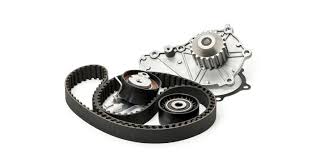
How the timing belt works: The timing belt is part of most internal combustion engines. It synchronizes the engine’s functions. The timing belt is made from rubber. It controls the rotation of the camshaft and crankshaft and the opening and closing of the engine’s many valves to allow air and gas in and out, which causes the fuel to ignite in the combustion chamber. During this explosion, the valves push the pistons down. Sometimes when the timing belt breaks, the valves, will open at the wrong time and hit the larger pistons and cause damage. The timing belt maintenance is crucial in the operation of the vehicle. When to replace the timing belt? Unfortunately, the timing belt isn’t visible without removal of parts so inspecting the belt isn’t done routinely. Knowing if the timing belt is in good health is difficult so in many cases, it will just break. That’s why highly rated auto mechanics recommend replacing it e ... read more