Nothing ruins a morning commute down the H-1 freeway quite like turning your key in the ignition and hearing nothing but a rapid "click-click-click." You get a jumpstart, make it to work, but the next morning, the exact same thing happens. A car battery that constantly dies is incredibly frustrating and leaves you stranded when you least expect it.
Many drivers assume that a dead battery automatically means it is time to buy a new one. However, your battery is just one part of a much larger, interconnected electrical system. Replacing the battery without testing the rest of the charging system often results in ruining a brand-new battery in a matter of days. Understanding the relationship between your battery, your alternator, and the electrical draw of your vehicle will help you permanently solve your starting issues.
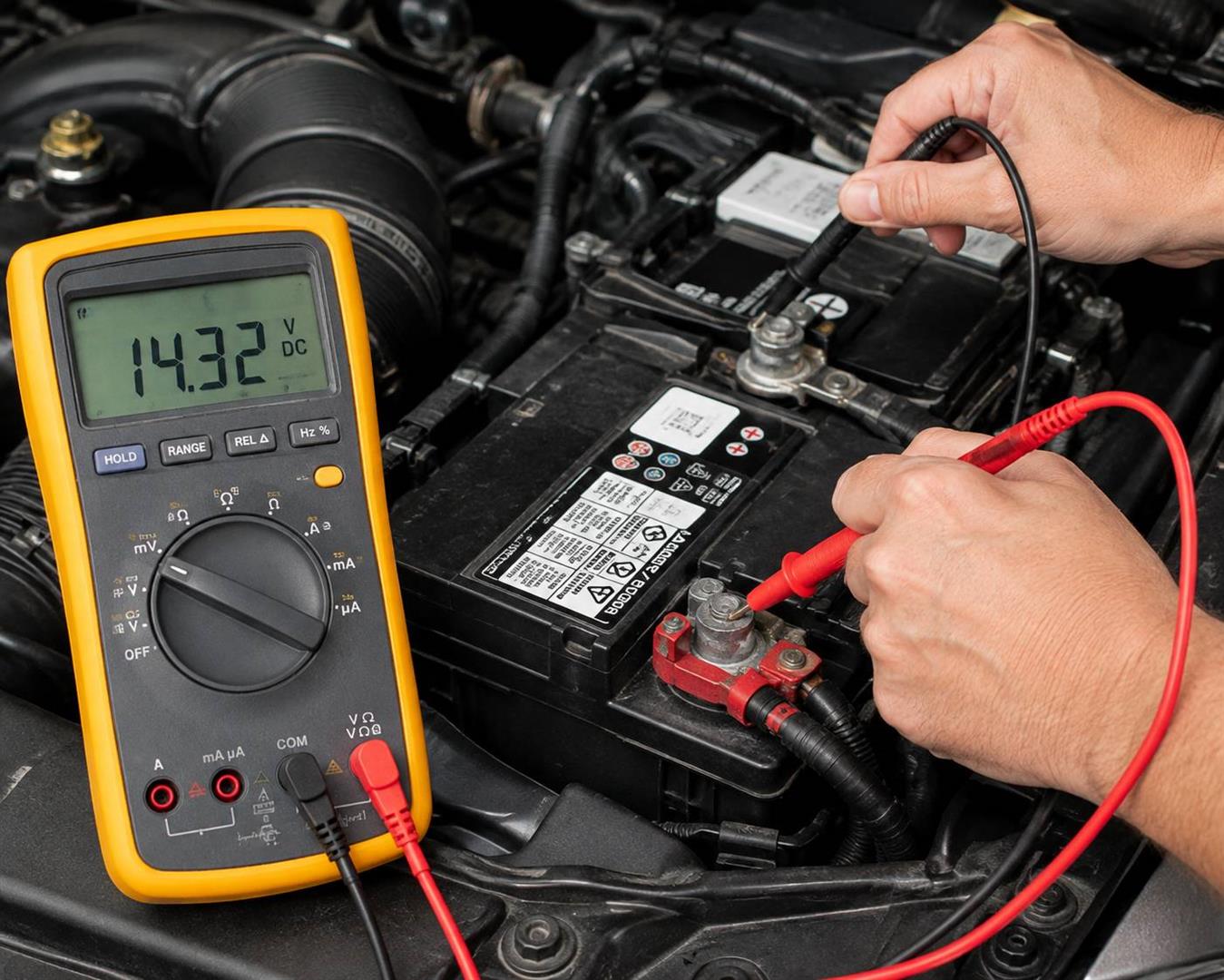
The Role of the Battery vs. The Alternator
To troubleshoot a dying electrical system, you first have to understand the division of labor under your hood.
Your car battery is essentially a heavy, chemical storage box. Its primary job is to provide a massive, immediate jolt of electricity to the starter motor to crank the engine over. Once the engine is running, the battery's job is mostly finished.
At that point, the alternator takes over. The alternator is a miniature electrical generator driven by the spinning serpentine belt attached to your engine. While you are driving, the alternator generates the electricity needed to run your headlights, air conditioning, and radio. Crucially, it also pushes electrical current back into the battery to recharge it for the next time you need to start the car.
If your car keeps dying, the failure is usually traced back to a breakdown in this recharge cycle.
Top 3 Reasons Your Car Battery Keeps Dying
If you are dealing with a battery that refuses to hold a charge, one of these three common culprits is likely to blame.
1. A Failing Alternator
If your alternator is wearing out, it can no longer generate enough voltage to run the car and recharge the battery simultaneously. The vehicle will slowly begin to pull the missing power directly from the battery while you drive. Because the battery is not designed to run the vehicle continuously, it will drain completely flat.
- Warning Signs: Your headlights dim when you accelerate, a red battery icon illuminates on your dashboard while driving, or you hear a whining noise coming from the engine bay.
2. Parasitic Electrical Draw
When you turn off the ignition and remove the key, a small amount of electricity is still required to keep your clock running and your alarm system active. However, if an electrical component malfunctions and stays fully powered on, it creates a "parasitic draw." A stuck relay, a glovebox light that won't turn off, or a poorly installed aftermarket stereo can quietly drain your battery completely flat overnight while the car sits in your driveway.
3. Severe Terminal Corrosion
The thick cables that connect your vehicle to the battery must have a perfectly clean metal-on-metal connection to transfer power. In the humid, salty air of Hawaii, battery acid can react with the metal terminals, creating a thick buildup of blue, white, or green powdery corrosion. This crust acts as an electrical insulator. It literally blocks the alternator from pushing electricity back into the battery, preventing it from recharging.
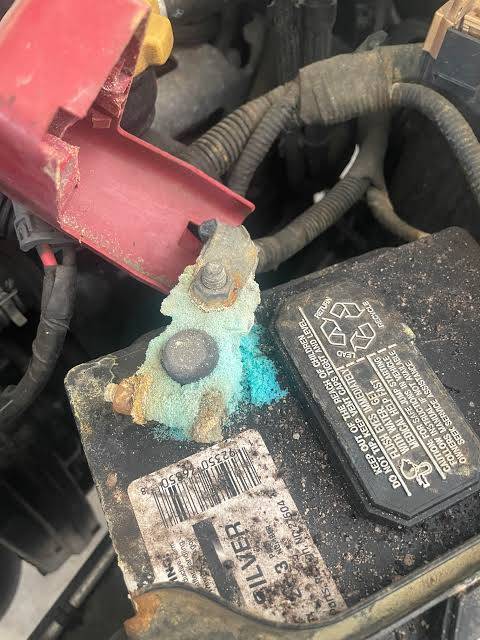
Severe terminal corrosion blocks the flow of electricity, preventing the alternator from recharging the battery.. Source: Reddit
Diagnosing Your Electrical Issues
A professional mechanic will test the specific voltage outputs of your system to find the exact point of failure. Here is a breakdown of what those tests usually reveal:
| Electrical Symptom | Most Likely Mechanical Cause | Recommended Action |
|---|
| Car dies while actively driving | The alternator has failed completely. | Tow the vehicle; replace alternator. |
| Battery dies overnight, every night | A parasitic draw or a battery with dead internal cells. | Perform a parasitic draw test with a multimeter. |
| Rapid clicking noise when starting | The starter lacks the voltage to engage the flywheel. | Clean terminals and jumpstart the battery. |
| Swollen or bulging battery case | Extreme heat and overcharging from a faulty voltage regulator. | Replace battery immediately; check alternator. |
Why Hawaii Heat is the Ultimate Battery Killer
Many people associate dead car batteries with freezing winter weather on the mainland. When temperatures plummet below freezing, engine oil thickens, and chemical reactions slow down, making it genuinely hard for a weak battery to crank an engine. However, extreme heat is actually much more destructive to the internal chemistry of a lead-acid battery over the long term.
The high ambient temperatures of Oahu, combined with the intense radiant heat trapped under your car's hood, create a brutal environment for electrical components. This continuous heat accelerates the self-discharge rate of the battery and causes the liquid electrolyte solution inside to slowly evaporate through microscopic venting channels.
As this fluid level drops, the upper portions of the internal lead plates are exposed directly to the air. Once exposed, these lead plates oxidize rapidly, permanently losing their ability to store and conduct electrical energy. Furthermore, high heat supercharges internal chemical corrosion, slowly degrading the grid structure from the inside out. While a standard car battery might comfortably last 5 to 7 years in a milder mainland climate, the unrelenting tropical heat in Hawaii typically limits a battery's reliable lifespan to just 2 to 3 years.
Frequently Asked Questions (FAQ)
Can I just clean the blue corrosion off with water?
You should neutralize the acidic corrosion using a mixture of baking soda and warm water, scrubbing it away with a stiff wire brush. However, if the acid has already eaten away the metal of the terminal clamp, the clamp itself will need to be replaced to restore a tight electrical connection.
Is it safe to drive with my battery light on?
No. The red battery icon on your dashboard does not actually mean your battery is bad; it means your alternator has stopped charging the system. Your car is now running exclusively on the battery's reserve power. You have a very limited amount of time (often less than 30 minutes) before the engine shuts off completely while you are driving.
Will jumping my car fix a dead cell?
A jumpstart only provides temporary power from another vehicle to crank your engine. If the internal lead plates inside your battery are sulfated or a cell has physically collapsed, the battery will never hold a charge again, no matter how many times you jump it.
Should I buy a heavy-duty battery for island driving?
Because heat evaporates the internal fluid, purchasing a sealed AGM (Absorbent Glass Mat) battery is an excellent upgrade for Oahu drivers. AGM batteries are completely sealed, heavily resistant to vibration, and withstand tropical heat cycles significantly better than standard flooded batteries.
What Local Oahu Drivers Are Saying
We love getting our community back on the road safely without pushing unnecessary parts. Here is what your neighbors say about their experience with our electrical diagnostics:
"Great service from the door to the floor!!! Finally great and Honest car service!!!!"
- Will Chambliss, Local Customer
"Friendly staff, follow up timely. overall great experience."
- Craig Inouye, Local Customer
Expert Electrical Diagnostics in Pearl City
Do not waste your hard-earned money blindly replacing a battery when the alternator is actually the culprit. Guessing which electrical component has failed leads to repeated breakdowns and endless frustration.
At Pearl City Auto Works, our ASE-certified technicians utilize advanced digital multimeters and load-testing equipment to isolate the exact cause of your electrical drain. We test your alternator's output, measure the health of your battery's internal cells, and track down hidden parasitic draws pulling power while you sleep. We provide complete digital inspection reports so you can see the precise voltage readings for yourself. Stop relying on jumper cables and schedule a comprehensive electrical system diagnostic today.
Book a no contact appointment