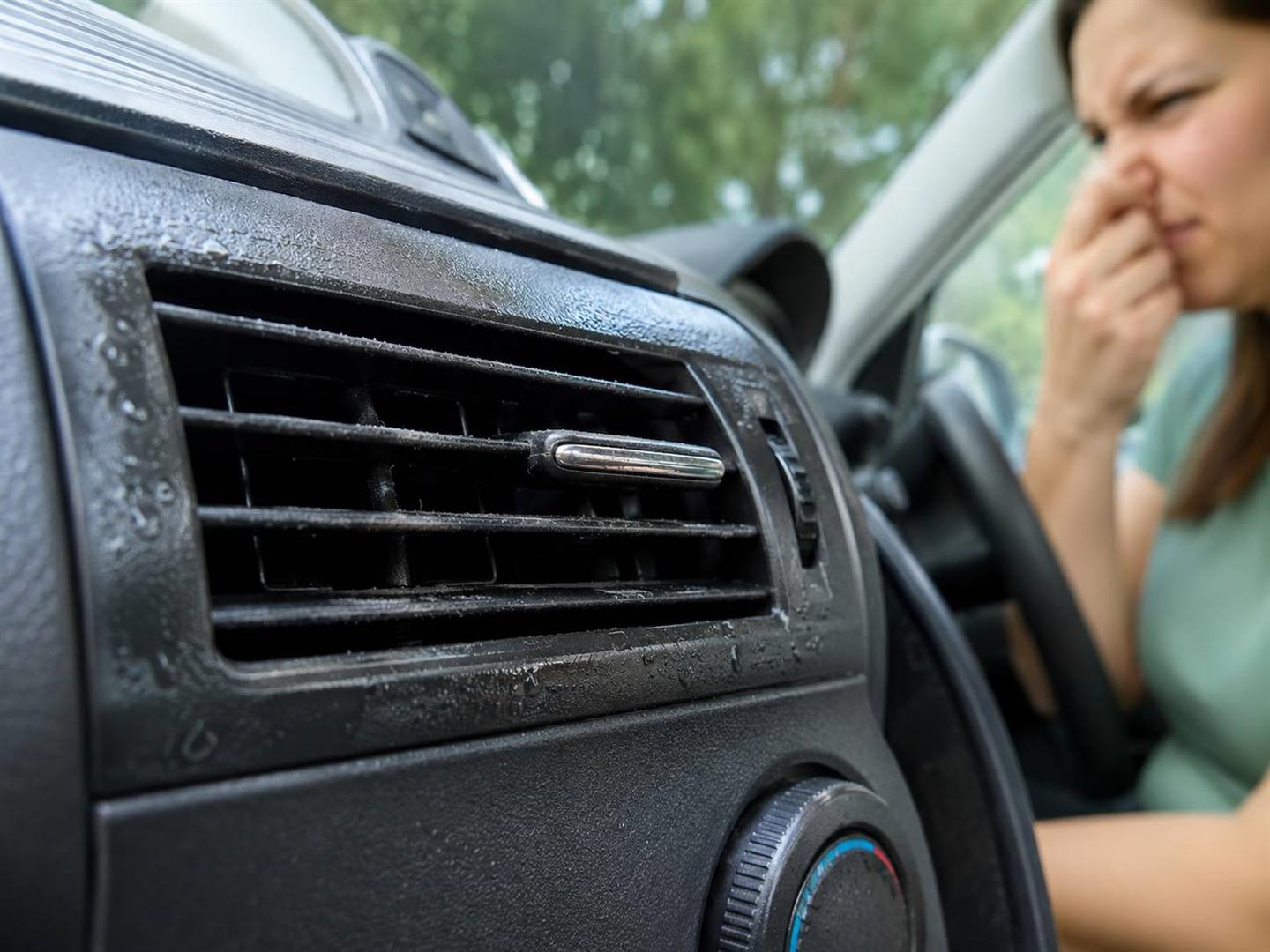
Driving on Oahu during the summer requires a fully functioning air conditioning system. You expect a blast of refreshing cold air when you turn the dial on your dashboard. Receiving a face full of air that smells like dirty gym socks or sour vinegar instantly ruins your commute. This foul odor indicates a biological problem happening deep inside your vehicle.
Many drivers assume a bad smell means the vehicle needs a chemical refrigerant recharge. The odor actually stems from organic growth. The dark enclosed spaces behind your dashboard provide the perfect environment for mold and bacteria to thrive. The tropical humidity of Hawaii accelerates this biological process significantly. Understanding how your climate control system manages moisture will help you permanently eliminate these odors and protect your respiratory health.
The Science Behind the Stink
Your air conditioning system does not magically generate cold air out of nothing. It removes heat and moisture from the existing cabin air. This thermodynamic process relies on a component called the evaporator core.
The evaporator core looks like a miniature metal radiator hidden deep behind your dashboard. The system pumps highly pressurized liquid refrigerant into this core. The refrigerant absorbs heat from the surrounding air and rapidly boils into a gas. This chemical reaction causes the aluminum fins of the evaporator to drop to near-freezing temperatures.
A blower motor pushes the warm, humid air from your passenger cabin directly through these freezing metal fins. When the hot tropical air hits the freezing metal, the moisture instantly condenses into liquid water. The system literally pulls humidity right out of the air. This constant condensation leaves the evaporator core completely soaked in water the entire time the engine is running.
The Root Causes of Vinegar and Mildew Odors
The water dripping off the evaporator core must go somewhere. The system is designed to manage this moisture safely. Odors develop when this moisture management system fails or when organic matter enters the ventilation ducts.
Bacterial Growth on the Evaporator Core
When you arrive at your destination and turn off the engine, the airflow stops. The evaporator core remains soaking wet in the dark enclosed box behind your dashboard. The metal slowly warms up to match the ambient outdoor temperature.
This creates a warm, dark, and damp environment. Bacteria and mold spores naturally circulate in the outside air. They are drawn into the ventilation system and stick to the wet aluminum fins. The spores quickly multiply to form colonies of mold. The sour vinegar smell or heavy mildew odor is the off-gassing produced by this living organic matter. Every time you turn on the fan, you blow these mold spores directly into the passenger cabin.
Clogged Condensation Drain Tubes
The HVAC housing features a small rubber drain tube designed to route the condensation safely out of the vehicle. You will normally see a small puddle of clear water under your car after parking. That puddle proves the drain tube is doing its job.
This rubber tube exits the bottom of the vehicle. It is highly susceptible to blockages. Road dirt clogs the opening. Spiders build webs inside the tube. Pine needles and decomposing leaves wash down the windshield cowl and jam the drain. When the tube clogs, the water backs up inside the dashboard housing. The evaporator core ends up sitting in a stagnant pool of swamp water. This standing water exponentially increases bacterial growth. It will eventually overflow directly onto your passenger side floor mats.
Severely Contaminated Cabin Air Filters
Modern vehicles use a pleated paper filter to clean the outside air before it enters the cabin. This cabin air filter traps dust, pollen, and biological matter.
Driving in high-humidity environments causes this trapped dirt to absorb moisture. A neglected filter packed with dead leaves and damp dirt will slowly rot. The air blowing through this rotting organic material picks up a heavy musty scent. Replacing the filter is a standard preventative maintenance step, but ignoring it allows the foul odor to permeate the entire interior of the vehicle.
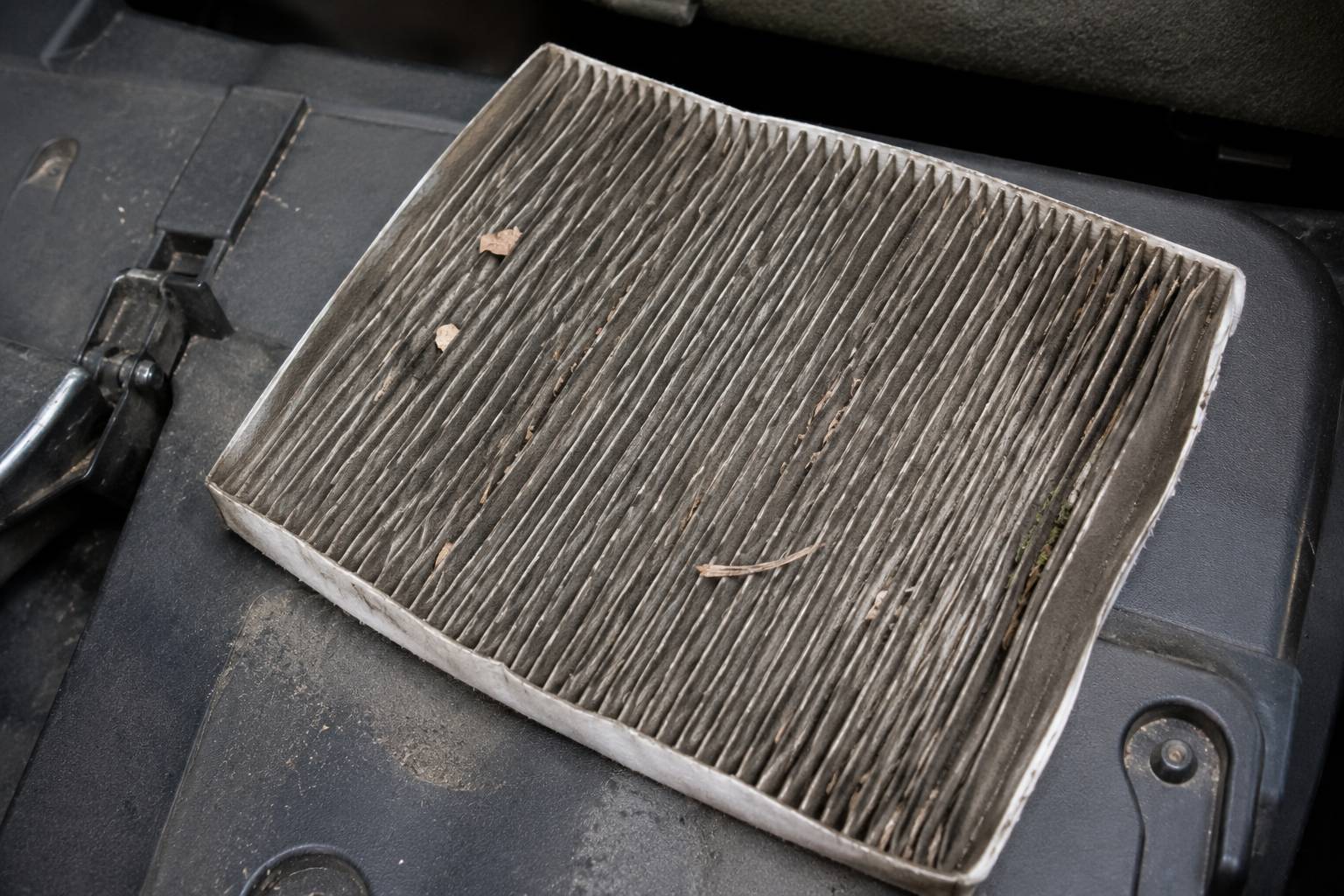
A heavily contaminated cabin air filter traps moisture and produces a foul odor..
Diagnosing Car Odors by Scent
The exact smell coming from your vents provides crucial diagnostic clues. The human nose can easily differentiate between biological growth and a hazardous chemical leak. Use this table to understand what specific odors mean for your vehicle.
| Type of Odor Detected | Probable Mechanical Cause | Required Action |
|---|
| Vinegar or Mildew | Mold growing on a wet evaporator core. | Perform an antibacterial foam cleaning service. |
| Sweet Maple Syrup | Engine coolant leaking from the heater core. | Inspect the Cooling System for internal leaks immediately. |
| Raw Gasoline | Fuel line leak or failing fuel injector seal. | Do not drive. Tow the vehicle to a repair shop. |
| Burning Rubber | A seizing AC compressor or slipping drive belt. | Inspect the serpentine belt and engine pulleys. |
| Dirty Gym Socks | A rotting cabin air filter packed with moisture. | Replace the cabin air filter. |
Why Masking the Smell is a Mistake
Many drivers attempt to solve a smelly air conditioner by purchasing cheap vent clips or hanging paper air fresheners from the rearview mirror. These products only mask the scent temporarily with overpowering artificial perfumes. They do absolutely nothing to address the root cause of the problem.
Breathing aerosolized mold spores poses a legitimate health hazard. The Environmental Protection Agency (EPA) clearly states that inhaling mold spores causes allergic reactions and asthma attacks in sensitive individuals. The blower motor forcefully pushes these spores into your face inside a tightly sealed metal cabin.
Spraying household disinfectant aerosols into your dashboard vents is equally ineffective. An aerosol spray cannot navigate the complex plastic ductwork to reach the densely packed fins of the evaporator core. The spray just coats the plastic vents. The mold root system remains completely untouched.
How Professional AC Cleaning Works
Eliminating biological odors requires physically killing the mold colonies. You must also remove the organic sludge feeding the bacteria.
Professional technicians use specialized chemical foaming agents to accomplish this task. A mechanic accesses the HVAC housing directly. They inject a thick antibacterial foam directly onto the aluminum fins of the evaporator core. The foam expands to fill every microscopic crevice between the metal plates. It breaks down the biological matter and kills the mold on contact. The foam then turns into a liquid and washes the dead bacteria down the drain tube.
During a comprehensive A/C Service and Repair appointment, technicians also use high-pressure compressed air to blow out the rubber condensation drain tube. This ensures the water flows freely out of the vehicle to prevent future moisture accumulation. Finally, the mechanic installs a brand-new cabin air filter utilizing activated charcoal. The charcoal physically absorbs lingering odors in the ductwork.
Proactive Steps to Keep Your AC Smelling Fresh
You can modify your daily driving habits to prevent mold from returning after a professional cleaning. The goal is to eliminate the standing water before you park the vehicle.
Start by managing the moisture manually. About two minutes before you reach your final destination, press the button on your dashboard to turn off the air conditioning compressor. Leave the fan blowing on a high setting. The compressor stops pushing freezing liquid into the evaporator. The high-speed fan blows warm outside air over the metal fins to rapidly dry the condensation. By the time you turn the engine off, the evaporator core is completely dry. Mold cannot grow without a source of standing water.
You should also maintain a strict replacement schedule for your cabin air filter. Most manufacturers recommend replacing this filter every 15,000 miles. Drivers operating vehicles in the dusty and humid conditions of Oahu should replace the filter every 10,000 miles. A clean filter ensures maximum airflow. High airflow helps keep the internal dashboard components dry.
Frequently Asked Questions About Car AC Smells
Why does my AC smell specifically like vinegar? Certain strains of bacteria produce acetic acid as a byproduct of their biological life cycle. Acetic acid is the main chemical component of household vinegar. When these specific bacteria colonize the wet aluminum fins of your evaporator, they release this acid directly into your ventilation system.
Can a dirty AC system make me physically sick? Yes. Mold spores act as severe respiratory irritants. Blowing these spores into a sealed passenger cabin triggers coughing fits, watery eyes, and allergic reactions. Individuals with asthma or compromised immune systems are highly susceptible to respiratory distress from a moldy evaporator core.
Will spraying Lysol in the exterior cowl vents fix the smell? No. Spraying household disinfectants into the exterior air intake is a temporary band-aid. The liquid spray cannot penetrate the densely packed metal fins of the evaporator core where the actual mold colony lives. You need an expanding chemical foam injected directly into the housing to destroy the root system.
How often should I change my cabin air filter in Hawaii? The high humidity and salty air of Hawaii degrade paper filters rapidly. You should inspect the cabin air filter every time you get an oil change. Plan on replacing the filter completely every 10,000 miles to prevent organic matter from rotting inside your dashboard.
Why is clear water leaking onto my passenger floorboard? Water on your floorboard means the rubber condensation drain tube is completely blocked. The water extracted by the air conditioner has nowhere to go. It backs up inside the plastic HVAC box and spills over the edge onto the carpet. A mechanic must clear the blockage with compressed air.
What Local Oahu Drivers Are Saying
"Pearl City Auto Works is a Honest Reliable Mechanic Shop that provides Quality Service and Exceptional Customer Support for all vehicles needs. I am honored to have been working with them for the last 7 years."
- Niles K Breland, Local Customer
"Went to PCAW for the first time after the worst dealership service in my many years of car ownership. Excellent customer service from the front desk to the mechanics. Very clear communication, no pushy sales tactics. Everything is expensive nowadays, but I am 100% sure I saved hundreds compared to the dealership. What dealership, you ask? I don't remember, as they are fully dead to me."
- Sal Aurigemma, Local Customer
Expert Air Conditioning Repair in Pearl City
A foul-smelling air conditioning system makes island commuting miserable. Masking the odor with paper air fresheners forces you to breathe hazardous mold spores daily. The only way to restore clean air is to physically destroy the bacterial growth hiding inside your dashboard.
The ASE-certified technicians at Pearl City Auto Works possess the specialized equipment needed to safely access your HVAC system. We use professional-grade antibacterial foams to eliminate biological growth. We clear stubborn drain tube blockages. We verify your climate control system is operating at maximum efficiency. Stop holding your breath during your commute and let our team restore the air quality inside your vehicle.
Book a no contact appointment