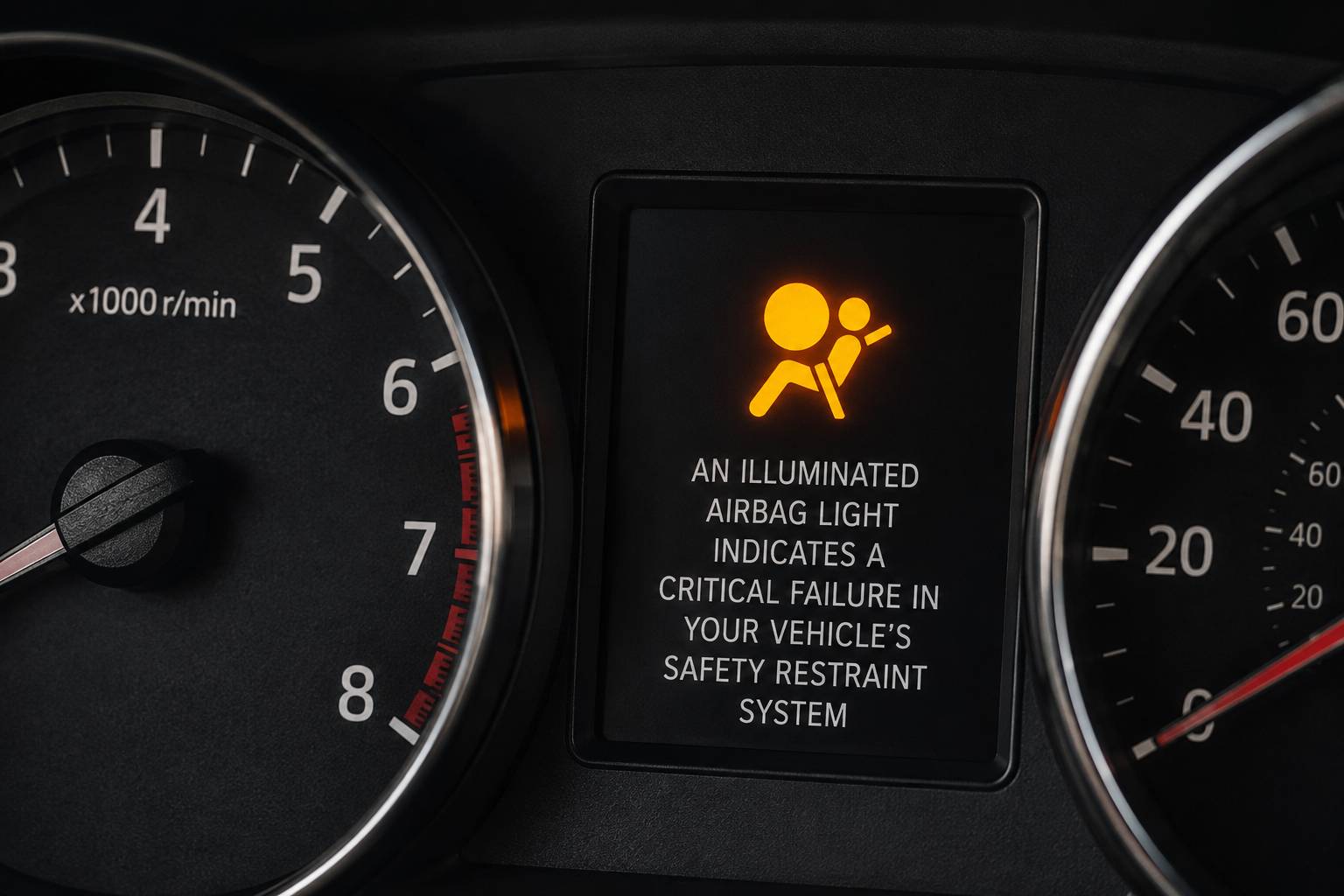
Dashboard warning lights are a universal source of stress for drivers. While a low tire pressure indicator or a maintenance reminder is easy to understand, seeing a red icon of a deployed airbag—or the letters "SRS"—illuminated on your gauge cluster feels significantly more urgent.
Unlike a check engine light that might just indicate a loose gas cap, the airbag light directly relates to the physical safety of you and your passengers. Navigating the busy H-1 freeway or the steep, winding roads of Oahu requires complete confidence in your vehicle's safety systems. Ignoring this specific warning light puts you at extreme risk in the event of an unavoidable collision. Understanding what the SRS system monitors and why it triggers this alert is the first step toward restoring the safety of your vehicle.
What is the Supplemental Restraint System (SRS)?
The letters SRS stand for Supplemental Restraint System. The word "supplemental" is the key here. Airbags are engineered to work in tandem with your seatbelts, not as a replacement for them.
Modern vehicles utilize a highly sophisticated computer known as the SRS control module. Every single time you turn the key in the ignition, this computer runs a self-diagnostic check. It sends a tiny electrical signal out to a network of crash sensors, seatbelt pre-tensioners, and airbag inflators scattered throughout the vehicle.
If all the components reply with the correct voltage, the computer turns the warning light off after a few seconds. If a component fails to respond, or sends back an incorrect voltage, the computer instantly triggers the SRS warning light on your dashboard and stores a permanent trouble code in its memory.
The Critical Question: Is It Safe to Drive?
The answer is a definitive no. It is not safe to drive your vehicle while the SRS or airbag warning light is illuminated.
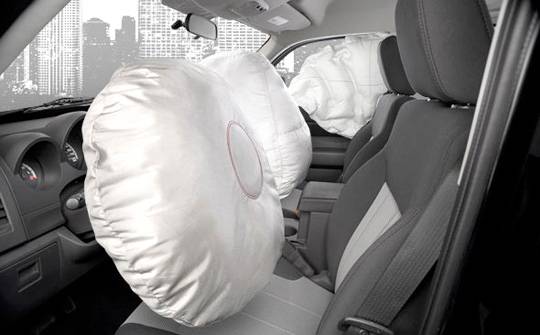
When the SRS computer detects a fault in the system, its primary safety protocol is to completely disable the airbags. The computer does this to prevent the airbags from deploying accidentally while you are driving, which could cause a severe crash.
If you are involved in a collision while this light is on, your airbags will not deploy. Your seatbelt pre-tensioners will not fire to pull you tightly against the seat. You are relying entirely on the basic mechanical locking mechanism of the seatbelt to save your life. Driving without functioning airbags drastically increases the risk of severe head and chest trauma during an accident.
Common Reasons the Airbag Light Illuminates
Because the SRS network encompasses the entire interior of the cabin, the failure could be located anywhere from the front bumper to the rear seats. Here are the most common mechanical and electrical culprits:
1. Damaged Seat Belt Buckle Sensors
This is surprisingly one of the most frequent causes of an SRS warning light. The seatbelt buckle contains a microscopic electronic switch that tells the computer whether or not you are buckled in. Over years of daily use, dirt, spilled coffee, or simply the mechanical wear of clicking the belt in and out can break this fragile switch. If the computer cannot verify you are wearing your seatbelt, it triggers the light.
2. A Broken Clock Spring
The clock spring is a unique coiled electrical ribbon hidden directly behind your steering wheel. It maintains a constant electrical connection between the spinning steering wheel (where the driver's airbag and horn are located) and the stationary steering column. As you turn the wheel back and forth thousands of times to navigate Oahu's roads, this ribbon can eventually snap. A broken clock spring immediately severs the connection to the driver's airbag.
3. Faulty Passenger Seat Weight Sensors
Modern vehicles use highly calibrated weight sensors built into the front passenger seat. These sensors dictate whether the passenger airbag should deploy with full force for an adult, reduced force for a small adult, or remain entirely disabled if a lightweight child seat is detected. If someone kneels heavily on the seat, or if water spills onto the electronics underneath, these sensors fail and trigger the SRS light.
4. Front Bumper Crash Sensors
Your vehicle relies on impact sensors mounted directly behind the front bumper and grille. Because these sensors are exposed to the elements, the tropical humidity and salty coastal air of Hawaii can eventually corrode the wiring harnesses connecting them to the main computer. Even a minor parking lot fender bender that doesn't visibly damage the bumper can crack the plastic housing of these delicate sensors.
Why You Cannot Fix This Yourself
Many drivers try to save money by purchasing cheap code readers to reset dashboard lights. You cannot simply reset an airbag light.
First, standard OBD-II code readers sold at auto parts stores only read engine codes; they cannot communicate with the highly encrypted SRS control module. Second, the SRS system requires extreme caution. Working on airbag wiring without proper grounding and safety protocols can accidentally discharge an airbag directly into your face at 200 MPH. This is a job that strictly requires professional diagnostic scanners and certified automotive technicians.
Frequently Asked Questions About the Airbag Light
1. What does the SRS light actually stand for? It stands for Supplemental Restraint System. It encompasses your airbags, impact sensors, seat belt pre-tensioners, and the computer module that controls them all.
2. Will my airbags deploy randomly while I'm driving if the light is on? No. The system is designed to "fail-safe." If the computer detects a fault, it actively disables the deployment mechanism to prevent a dangerous accidental misfire while you are driving.
3. Will an illuminated airbag light cause me to fail my Hawaii safety inspection? Yes, absolutely. A functioning SRS system is a mandatory requirement for the Hawaii Periodic Motor Vehicle Inspection (PMVI). If your light is on, the inspector will issue a failed slip, and you will not be able to renew your vehicle registration until the system is professionally repaired.
4. Can a dying car battery trigger the SRS light? Yes. The SRS computer is incredibly sensitive to voltage drops. If your battery is dying or your alternator is failing to charge the system properly, the computer may trigger a temporary SRS light due to low voltage.
5. How much does it cost to fix an airbag light? Because the system is so complex, there is no single answer. If the issue is a loose wire under the passenger seat, the repair is very inexpensive. If the diagnosis reveals a broken clock spring or a flooded SRS computer module, the parts and labor can be significantly higher. A professional diagnostic scan is the only way to know for sure.
What Local Oahu Drivers Are Saying
When it comes to the safety of your family, you need a mechanic you can completely trust. Here is what local drivers are saying about our transparent diagnostic process:
"The team at PCAW was amazing when my airbag light came on and I needed my safety check. They quickly diagnosed a bad clock spring in the steering wheel and had it fixed fast. They showed me the digital inspection report so I knew exactly what I was paying for. Highly recommend them!"
- Dennis Kamakahi, Local Customer
"Always transparent about pricing. My safety check failed due to an SRS light, and I was worried it would cost thousands. They found it was just a damaged seatbelt buckle switch. Honest mechanics are hard to find, but this shop is the real deal."
- Sarah V., Local Customer
Expert SRS Diagnostics in Pearl City
Do not gamble with your safety on the H-1 freeway. If your SRS or airbag warning light has illuminated, your vehicle is actively warning you that it cannot protect you in a crash.
At Pearl City Auto Works, our ASE-certified technicians utilize dealership-level diagnostic scanners capable of communicating directly with your vehicle's safety systems. We pinpoint the exact sensor, wire, or module that has failed, and provide you with a clear, photograph-backed digital inspection report before any work begins. Let our expert team restore your peace of mind and get your vehicle ready to pass its Hawaii safety check.
Book a no contact appointment