Your vehicle’s transmission is one of the most complex mechanical components under the hood. Its job is to take the raw rotational power generated by your engine and transfer it directly to your drive wheels at controlled speeds. Whether you drive an automatic, a manual, or a Continuously Variable Transmission (CVT), your transmission relies on hundreds of precision gears, hydraulic valves, and electronic sensors working in perfect harmony.
When a transmission begins to fail, the repair bills can escalate quickly into thousands of dollars. On Oahu, constant stop-and-go commuting on the H-1 freeway, high ambient humidity, and steep elevation gains put continuous thermal strain on your transmission. The secret to avoiding a full, expensive transmission overhaul or replacement is catching the early warning signs. By identifying small mechanical glitches or fluid issues early, you can often save your transmission with a simple service or sensor repair.
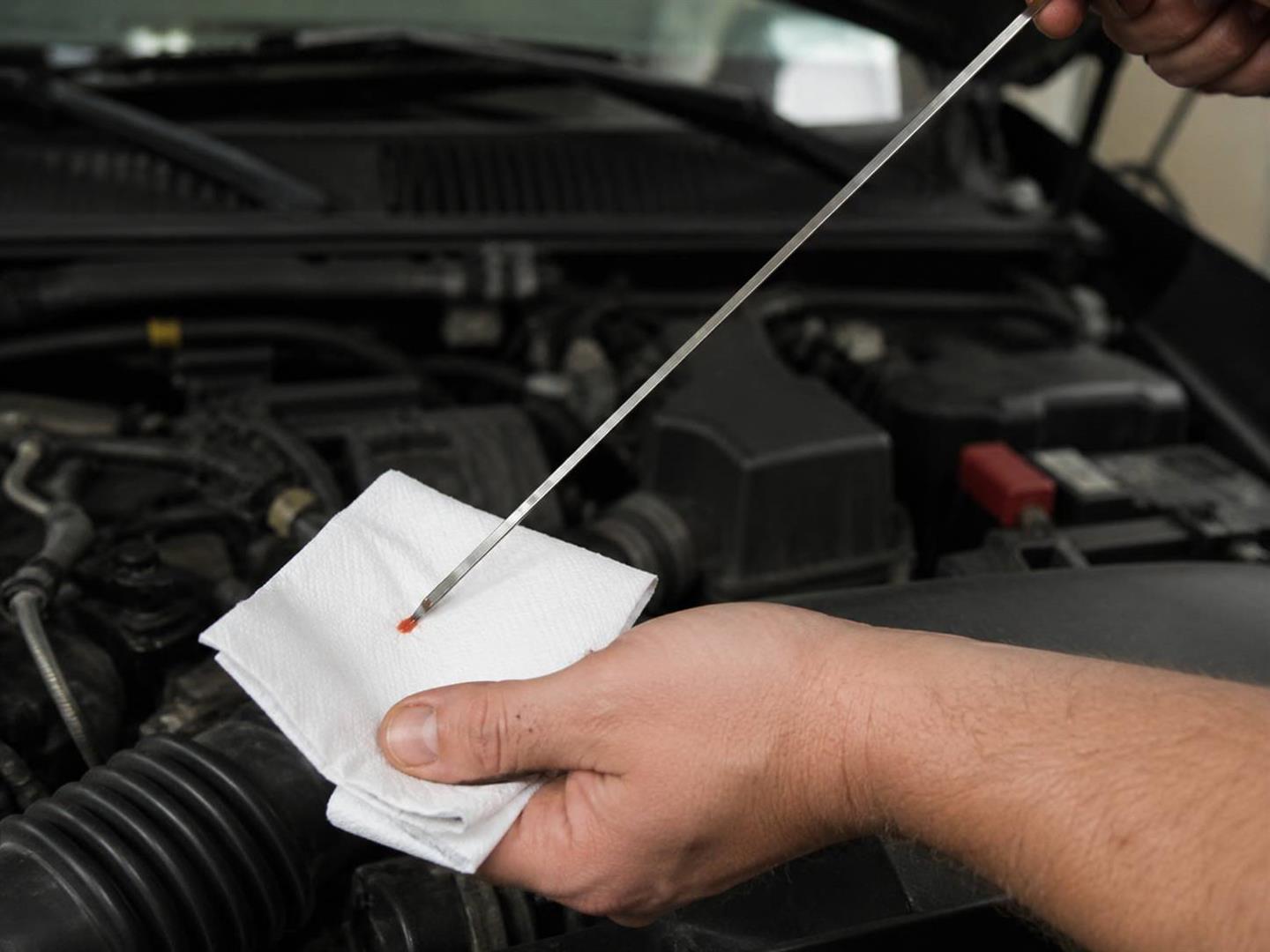
Early Warning Signs of Transmission Trouble
Transmissions rarely fail instantly without warning. They usually communicate internal friction and hydraulic pressure issues through distinct sounds, physical sensations, and operational delays.
1. Slipping Gears While Driving
If your engine revs up high—producing a loud roaring sound—but your vehicle fails to accelerate accordingly, your transmission is slipping. It feels as though the vehicle unexpectedly popped into neutral while you were driving. Slipping occurs when internal clutch plates wear thin or when low hydraulic fluid pressure fails to keep the gears tightly engaged.
2. Delayed or Harsh Engagement
When you shift your automatic transmission out of "Park" and into "Drive" or "Reverse," the gear should engage instantly and smoothly. If there is a noticeable 2-to-3-second delay followed by a violent "clunk" or hard jerk, your internal hydraulic valves or solenoid packs are struggling to build adequate fluid pressure.
3. Strange Noises in Neutral
A healthy transmission operating in "Park" or "Neutral" should be almost silent. If you hear a whining, clunking, or humming sound coming from under the dashboard while the vehicle is idling, the internal bearings, fluid pump, or torque converter are beginning to wear out.
4. Slippery Red or Brown Liquid Under the Car
Transmission fluid acts as a lubricant, a coolant, and a hydraulic pressure transfer agent. Unlike engine oil, transmission fluid operates in a completely closed system. You should never lose fluid under normal conditions. If you spot a pool of slippery, bright red (or dark reddish-brown) liquid dripping near the middle or front of your vehicle, you have a leaking seal, pan gasket, or cooler line that requires immediate attention.
How Your Transmission Fluid Tells the Story
Regularly inspecting your transmission fluid is the single best way to gauge the health of your transmission. Use this table to understand what the color and smell of your fluid reveal about internal mechanical wear.
| Fluid Appearance | Odor / Smell | Mechanical Diagnosis |
|---|
| Bright Red & Translucent | Sweet / Petroleum scent | Healthy fluid. Operating normally. |
| Dark Brown or Maroon | Slightly metallic smell | Aged fluid. Needs a fluid flush and filter service soon. |
| Black & Opaque | Strong burnt toast smell | Severe internal clutch oxidation. Damage has occurred. |
| Milky Pink / Frothy | Odorless | Strawberry Milkshake of Death: Coolant has mixed with fluid due to a failed radiator cooler line. |
How to Avoid a Full Transmission Replacement
If you notice any of the warning signs listed above, a full transmission replacement is not always inevitable. Here is how proactive maintenance can save you thousands of dollars:
Transmission fluid breaks down over time due to extreme heat cycles. As the fluid breaks down, it loses its viscosity and ability to transfer hydraulic pressure. Replacing your fluid according to your manufacturer's recommendation (typically every 30,000 to 60,000 miles) sweeps away harmful microscopic metal shavings and restores proper hydraulic clamping force.
Driving with low transmission fluid causes the internal clutch packs to slip, generating extreme friction and heat. That excessive heat will quickly melt rubber seals and ruin hard-metal gears. Fixing a $150 pan gasket or cooler line leak today prevents a $4,000 transmission replacement tomorrow.
Replace Shift Solenoids Early
Modern automatic transmissions use electronic valves called solenoids to control fluid flow to specific gears. Sometimes, a "transmission failure" is simply a single $100 electronic solenoid that has shorted out. A professional diagnostic scan can pinpoint whether the issue is electronic rather than a total mechanical breakdown.
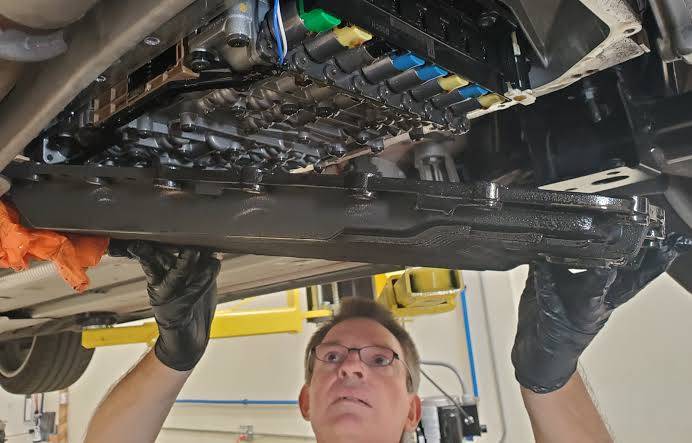
Changing your transmission filter and pan gasket sweeps away metal debris and stops fluid leaks.. Source: Aston 1936
Frequently Asked Questions (FAQ)
Is a transmission flush bad for an older car? If your transmission has been properly maintained, a flush is great. However, if an older transmission has 150,000 miles on the original fluid and is already slipping badly, high-pressure flushing can wash away the worn clutch material that was providing just enough friction to keep the gears engaging. In high-mileage, neglected scenarios, a simple drain-and-fill with a new filter is safer than a high-pressure flush.
How much does it cost to replace a transmission? Replacing a full transmission is one of the most expensive auto repairs, typically ranging from $3,000 to $6,000 or more depending on the make, model, and whether you install a brand-new, remanufactured, or used unit. Catching issues early prevents this huge expense.
What is a CVT transmission and does it need different fluid? A Continuously Variable Transmission (CVT) uses a steel belt and variable pulleys instead of traditional fixed gears. CVTs run at extremely high pressures and require specialized CVT fluid. Putting standard automatic transmission fluid (ATF) into a CVT will destroy the steel belt in a matter of miles.
Why does my car jerk when shifting into second gear? Hard shifting between gears often stems from low fluid level, dirty fluid clogging a valve body, a sticking shift solenoid, or a failing throttle position sensor sending incorrect computer data to the transmission.
Can I drive my car with a leaking transmission pan? You should avoid driving it. Operating a transmission even a quart low on fluid causes internal clutches to overheat and slip, turning a cheap gasket replacement into a catastrophic transmission failure.
What Local Oahu Drivers Are Saying
Here is what local drivers are saying about our transparent diagnostic process and honest mechanics:
"Pearl City Auto Works is a Honest Reliable Mechanic Shop that provides Quality Service and Exceptional Customer Support for all vehicles needs. I am honored to have been working with them for the last 7 years."
- Niles K Breland, Local Customer
"Went to PCAW for the first time after the worst dealership service in my many years of car ownership. Excellent customer service from the front desk to the mechanics. Very clear communication, no pushy sales tactics. Everything is expensive nowadays, but I am 100% sure I saved hundreds compared to the dealership."
- Sal Aurigemma, Local Customer
Expert Transmission Service in Pearl City
Do not wait for a slipping gear or a small fluid leak to turn into a total transmission breakdown. Catching mechanical and hydraulic issues early is the key to extending the life of your vehicle and keeping your hard-earned money in your pocket.
At Pearl City Auto Works, our ASE-certified technicians possess the specialized diagnostic tools needed to scan transmission control modules, check fluid health, and pinpoint exact mechanical failures. We provide clear digital inspection reports backed by photographic proof before any work begins. Protect your vehicle and maintain your peace of mind by scheduling a comprehensive transmission inspection today.
Book a no contact appointment