Oahu offers some of the most breathtaking scenic drives in the world. Escaping the city for a weekend cruise up to the North Shore provides a perfect mental reset. Exploring the winding curves of the Pali Highway delivers spectacular ocean views. A mechanical failure easily ruins these perfect weekend plans. Breaking down on a narrow coastal road creates massive stress for you. It also causes severe traffic delays for everyone else on the island.
Many drivers assume their daily commuter vehicle is automatically ready for a long weekend trip. Commuting in heavy stop-and-go traffic puts a very specific type of strain on your engine. Sustained highway driving over mountain passes demands entirely different performance metrics. Preparing your vehicle requires a dedicated approach to preventative maintenance. Following a comprehensive car maintenance checklist Hawaii drivers trust will keep your family safe on the road.

Protect Your Engine with a Comprehensive Fluid Check
Your vehicle relies on multiple specialized fluids to operate safely under heavy loads. These fluids act as lubricants to prevent metal friction. They serve as heat dispersants. They provide the necessary hydraulic pressure transfers for steering and braking systems. Ignoring fluid maintenance guarantees severe engine damage.
Checking the engine oil is the most critical first step. Motor oil lubricates the internal moving parts of your engine. Pull the dipstick and wipe it clean with a white paper towel. Reinsert the dipstick fully and pull it back out to check the level. The oil should sit between the minimum and maximum markers.
The color of the oil provides crucial information about engine health. Fresh oil appears amber and translucent. Dark black oil indicates heavy contamination. Gritty oil means the internal engine components are actively wearing down. If your oil is dark or low, you must schedule an Oil Change before embarking on your trip.
Transmission fluid requires equal attention. The transmission shifts gears to manage the power output of the engine. Low transmission fluid causes the internal gears to slip violently. This slipping generates extreme heat that will destroy the internal clutch packs. Most modern vehicles use sealed transmissions. This design requires a professional mechanic to check the fluid level from underneath the chassis.
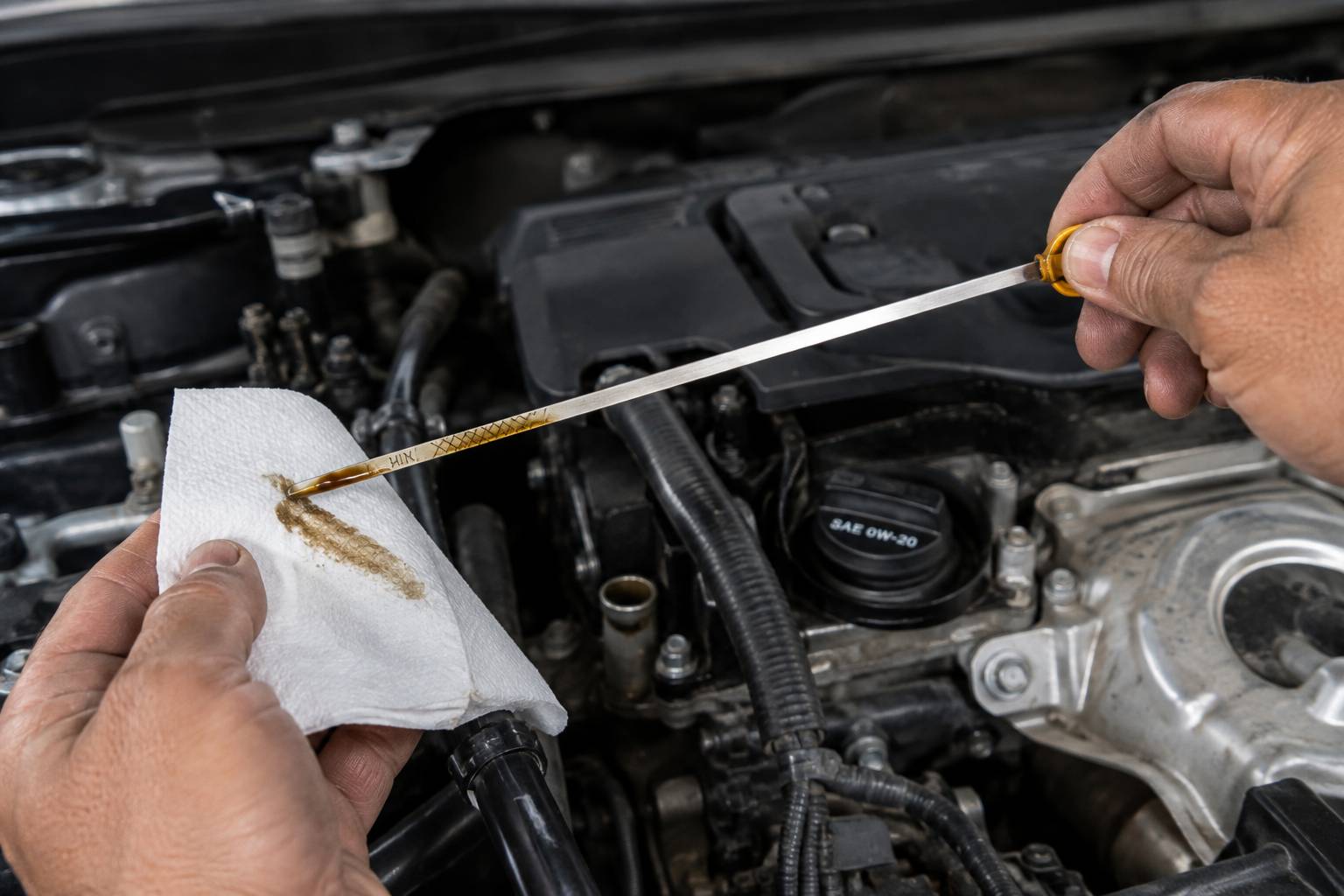
Checking motor oil color and level prevents internal engine damage
Managing Extreme Temperatures with the Cooling System
Driving over the steep grades of the Ko'olau Range forces your engine to work incredibly hard. This physical exertion generates massive amounts of heat. The cooling system must dissipate this heat rapidly to prevent the engine block from warping.
The radiator fluid absorbs heat directly from the engine block. You must verify the coolant reservoir shows adequate fluid levels. Never open a hot radiator cap. The system operates under extreme pressure. Opening a hot cap will release a geyser of boiling fluid. This will cause severe burns. Wait until the engine rests overnight before checking the internal radiator level.
The rubber hoses transporting this fluid are highly vulnerable to failure. The extreme heat under the hood bakes the rubber over time. Squeeze the upper and lower radiator hoses firmly. A healthy hose feels firm yet pliable. A failing hose feels crunchy or exceptionally soft. A swollen hose indicates a complete failure of the internal reinforcement webbing. If a hose bursts on the highway, your engine will overheat in minutes. You should immediately book a Cooling System Service and Repair appointment if you discover any degraded rubber components.
Ensuring Maximum Traction and Tire Safety
Your tires are the only physical connection between your heavy vehicle and the pavement. High speeds on hot asphalt accelerate rubber wear significantly.
Tread depth dictates how well your car grips the road during a sudden tropical downpour. Driving with bald tires on wet pavement causes hydroplaning. The tire lifts entirely off the road surface. It glides on a thin layer of water. You instantly lose all steering and braking control. You can check your tread depth using a standard penny. Insert the penny upside down into the tread groove. If you can see the top of Abraham Lincoln's head, the tread is dangerously low.
Tire pressure impacts fuel economy and handling stability. Under-inflated tires flex excessively at high speeds. This flexing builds up extreme heat inside the tire carcass. The excess heat triggers high-speed blowouts. Check the pressure using a digital gauge while the tires are cold. Match the pressure reading to the exact specification printed on the sticker inside the driver door jamb.
Do not forget to inspect the spare tire. A flat tire on a remote stretch of the Kaena Point coastline leaves you stranded without cellular service. Verify the spare tire holds the correct air pressure. Confirm the jack and lug nut wrench are securely stored in the trunk compartment.
Safe Stops on Steep Grades
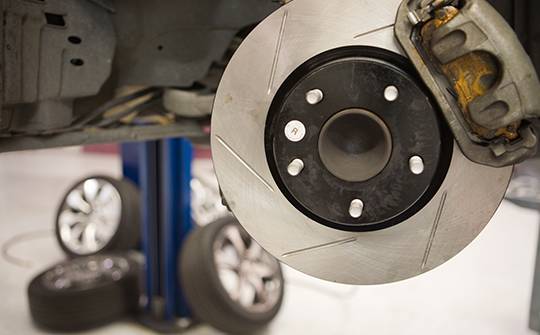
Island road trips frequently involve steep elevation changes. Descending from mountain lookouts places a massive thermal load on your braking system. Your brake pads squeeze against a metal rotor to generate the friction needed to stop the car. This friction creates intense heat.
If your brake pads are worn too thin, they cannot absorb this heat safely. The excess heat transfers directly into your brake fluid. Boiling brake fluid creates gas bubbles in your hydraulic lines. This condition results in a spongy brake pedal that goes straight to the floor without stopping the vehicle.
Listen carefully to your brakes during your daily commute. A high-pitched squealing noise indicates the brake pads have reached their minimum safe thickness. A harsh grinding noise means the friction material is entirely gone. You are experiencing metal-on-metal contact. Any unusual noises or vibrations require an immediate Brake System Maintenance and Repair inspection before you drive winding mountain roads.
Restoring Performance with an Auto Tune Up Pearl City
Modern vehicles rely on complex computer systems to manage fuel delivery and ignition timing. An engine operating out of specification wastes expensive fuel. It struggles to climb steep hills. An auto tune up Pearl City restores factory performance levels.
Spark plugs ignite the compressed fuel inside the engine cylinders. These small components endure millions of localized explosions over their lifespan. The metal electrodes physically burn away over time. Worn spark plugs cause engine misfires. A misfire feels like a sudden jerking motion when you press the accelerator. Replacing old spark plugs instantly restores lost horsepower. It improves your gas mileage.
The engine air filter requires inspection before any long trip. An engine needs a massive volume of clean air to burn fuel efficiently. A clogged air filter acts like a thick blanket over the engine intake. It chokes the engine. It forces the computer to dump excess fuel into the cylinders to compensate. Replacing a dirty air filter is a simple procedure that drastically improves throttle response.
The Electrical System and Visibility
Island weather changes rapidly. A sunny drive can transform into a torrential downpour in a matter of miles. Your visibility and electrical reliability must be flawless.
Test your battery voltage using a multimeter. A resting battery should read at least 12.6 volts. The high temperatures in Hawaii evaporate the internal battery acid faster than in colder climates. A battery older than three years is statistically prone to sudden failure. Check the metal battery terminals for fluffy white corrosion. This acidic buildup blocks the electrical current. It prevents the starter motor from turning the engine over.
Inspect every exterior light on the vehicle. Have a helper stand behind the car to verify the brake lights illuminate instantly. Test the turn signals. Turn on the headlights and ensure both high beam bulbs function correctly.
Windshield wipers degrade rapidly in the tropical sun. The thin rubber blades warp and crack. Damaged wipers smear water across the glass. They destroy your visibility during heavy rain. Replace any wiper blades that leave streaks or make chattering noises across the windshield. Fill the windshield washer fluid reservoir to the maximum line to clear away salt spray and road grime.
Your Comprehensive Hawaii Road Trip Checklist
Use this organized checklist to verify your vehicle is fully prepared for an island road trip. Catching a small mechanical issue in your driveway prevents a major disaster on the highway.
| Vehicle System | Specific Component | Maintenance Action Required |
|---|
| Engine Fluids | Motor Oil | Check level and color. Replace if dark or gritty. |
| Engine Fluids | Transmission Fluid | Verify proper fluid level and inspect for leaks. |
| Cooling System | Radiator Coolant | Confirm adequate level in the overflow reservoir. |
| Cooling System | Rubber Hoses | Squeeze hoses to check for soft spots or swelling. |
| Tire Health | Tread Depth | Use the penny test to ensure safe water displacement. |
| Tire Health | Air Pressure | Inflate all tires to the specification on the door jamb. |
| Brake System | Brake Pads | Inspect for minimum thickness and listen for squealing. |
| Visibility | Wiper Blades | Replace cracked rubber to prevent smearing. |
| Visibility | Exterior Lights | Test headlights, brake lights, and turn signals. |
| Electrical | Battery Health | Clean terminal corrosion and test resting voltage. |
The NHTSA Safety Recommendation
Performing a visual inspection at home helps identify obvious hazards. A professional mechanic utilizes specialized equipment to uncover hidden dangers. Putting your vehicle on a hydraulic lift allows technicians to examine the structural integrity of the steering components. It provides a clear view of the inner brake pads and suspension joints.
The National Highway Traffic Safety Administration (NHTSA) strongly advises drivers to secure a professional vehicle inspection before embarking on extended road trips. A certified technician can accurately measure the moisture content in your brake fluid. They test the exact electrical output of your alternator. They use computer diagnostic scanners to read any hidden error codes stored in the engine control module.
Expert Road Trip Preparation in Pearl City
A successful island road trip starts long before you pull out of the driveway. Taking the time to prepare your vehicle ensures your weekend getaway remains a relaxing escape rather than a stressful ordeal. Trusting a certified technician to inspect your brakes, fluids, and tires removes the guesswork from vehicle safety. Proactive maintenance protects your engine from permanent damage. It keeps your passengers completely secure on unpredictable coastal roads.
Do not let a preventable breakdown ruin your weekend plans. Protect your family and your automotive investment by scheduling a comprehensive pre-trip inspection today. Our ASE-certified technicians will verify your vehicle is perfectly equipped to handle the unique demands of Hawaii driving.
Book a no contact appointment