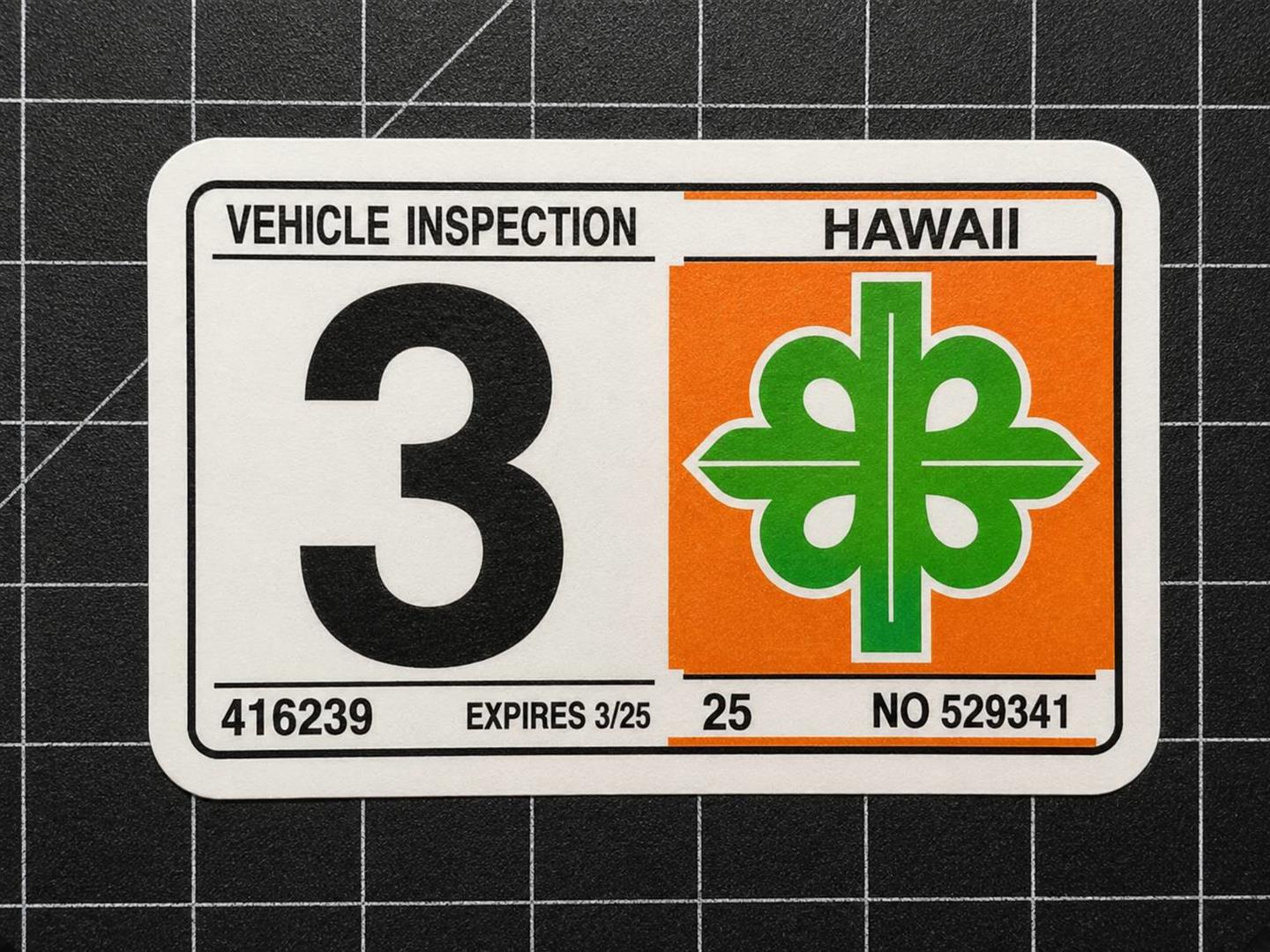
Every year, drivers across Oahu face the inevitable chore of renewing their Hawaii Periodic Motor Vehicle Inspection (PMVI)—commonly known as the safety check. You check the date on your rear bumper sticker, realize it expires at the end of the month, and scramble to book an appointment.
For many drivers, the safety inspection causes unnecessary anxiety. No one wants to deal with the hassle of a "failed" slip, which requires you to fix the specific issues and return for a re-inspection before you can renew your vehicle registration. The good news is that the Hawaii safety check is not a mystery. It is a highly standardized checklist mandated by the state to ensure that every vehicle on the road meets basic safety requirements.
By understanding exactly what certified inspectors are looking for, you can perform a quick walk-around of your vehicle at home. Catching a simple burnt-out bulb or realizing you misplaced your insurance card before you arrive at the shop will guarantee you pass on the very first try.
Step 1: The Paperwork Prerequisites
The most common reason drivers fail their safety check has absolutely nothing to do with the mechanical condition of their vehicle. It comes down to missing paperwork.
Before a mechanic even pulls your car into the service bay, they must verify your documents. You must present a valid, unexpired Hawaii motor vehicle insurance card. A digital copy on your smartphone via your insurance provider's official app is perfectly acceptable.
You must also present your current vehicle registration. If your registration is already expired, the inspector will issue you a "failed" safety check slip. You will then take that failed slip to the DMV (or use an online kiosk) to pay your registration fees. Once the registration is updated, you return to the shop with the new registration to receive your passing decal.
Step 2: Exterior Visibility and Glass
Your ability to see the road clearly is a primary focus of the inspection. The inspector will carefully examine your windshield for cracks, pitting, and unauthorized tint.
Windshield Cracks
A tiny rock chip is usually acceptable, but any crack that intersects with your windshield wipers' sweeping path is an automatic failure. If a crack impairs your direct line of sight while driving, the glass must be replaced before you can pass.
Window Tint Laws
Hawaii has strict regulations regarding aftermarket window tint to ensure police officers can see inside the vehicle during traffic stops. For standard passenger cars, the tint on the side and rear windows must allow at least 35% of light to pass through. If you have aftermarket tint, you must carry a valid tint certificate in your glovebox, or the inspector will use a digital light meter to test the glass.
Wiper Blades
Your windshield wipers must physically clear water effectively. If the rubber blades are torn, missing chunks, or heavily warped by the tropical sun, you will fail the inspection. Replacing your wiper blades is an inexpensive fix you can do right in your driveway.
Step 3: Lighting and Electrical Systems
Every single exterior light on your vehicle must function exactly as the manufacturer intended. Have a friend or family member stand outside your car while you test the following components:
- Headlights: Both the low beams and high beams must turn on. The plastic headlight housings cannot be completely yellowed or clouded over to the point where the light output is blocked.
- Turn Signals: Left, right, front, and rear signals must blink at a steady pace.
- Brake Lights: All brake lights, including the high-mount center light in your rear window, must illuminate immediately when the pedal is pressed.
- Reverse Lights: The white lights must engage when the vehicle is shifted into reverse.
- License Plate Light: This small bulb is the most frequently missed item! The light illuminating your rear license plate must be working.
- The Horn: Your horn must be loud and clear. A weak or dead horn is an instant failure.
Step 4: Tires, Brakes, and Alignment
The components that connect your car to the ground undergo intense scrutiny to prevent high-speed blowouts and loss of braking control.
Tire Tread and Condition
Tires are the most critical safety item on your vehicle. The inspector will use a depth gauge to measure the rubber tread. By Hawaii law, your tires must have a minimum tread depth of 2/32 of an inch. If the tire is bald, showing metal wires, or has massive dry-rot cracks in the sidewall, you will not pass. Additionally, the tires cannot extend past the vehicle's fender flares without proper mudguards installed.
Brakes and Parking Brake
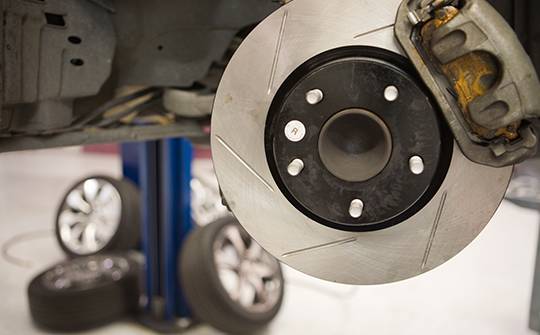
The mechanic will test the firmness of your brake pedal and ensure the vehicle stops in a straight line without pulling. They will also test the parking brake (emergency brake). The parking brake must be able to hold the vehicle completely stationary on an incline when the transmission is in neutral.
Step 5: Body, Steering, and Suspension
The overall structural integrity of your vehicle must be sound. You cannot have any sharp, jagged metal edges protruding from the body panels resulting from an un-repaired accident. Both the front and rear bumpers must be securely attached.
The inspector will also test your steering wheel for excessive "play" or looseness. If the steering components are heavily worn, the vehicle becomes dangerous to control at highway speeds. They will visually inspect the undercarriage to ensure the exhaust system is not leaking deadly carbon monoxide gas into the cabin and that the suspension components are intact.
Frequently Asked Questions About Hawaii Safety Checks
How early can I get my safety check done? You can complete your safety inspection up to 30 days before your current sticker expires. If you pass early, you do not lose any time; the new sticker will still be valid for a full year from your original expiration month.
What happens if I fail the inspection? If your vehicle fails, the inspector will issue you a blue "failed" form detailing exactly what needs to be repaired. You have 30 days to fix the problem and return to the same inspection station. The shop will then verify the repair and issue your passing sticker for a minimal re-inspection fee.
Do I need to remove my window tint if I bought the car used? If the tint tests darker than the legal 35% limit (for passenger cars) and you do not have an exemption, you must have the tint physically removed from the windows before the vehicle can pass the safety check.
How much does a Hawaii safety inspection cost? The State of Hawaii regulates the maximum fee a repair shop can charge for a standard safety inspection. Currently, the standard fee is around $25.00, plus tax.
What do I need to bring to my appointment? You only need to bring your vehicle, the keys, a current Hawaii auto insurance card (physical or digital), and your current vehicle registration.
What Local Oahu Drivers Are Saying
We know that getting your safety check can feel like a chore. Our goal is to make the process as seamless and friendly as possible. Here is what your neighbors are saying about their experience with our team:
"Went to PCAW for the first time after the worst dealership service in my many years of car ownership. Excellent customer service from the front desk to the mechanics. Very clear communication, no pushy sales tactics. Everything is expensive nowadays, but I am 100% sure I saved hundreds compared to the dealership."
- Carmen Scelsa, Local Customer
"It's always a pleasure bringing my 2000 Ford Ranger to Pearl City Auto Works. I'm greeted by name every time, which really shows how much they value their customers... Fast, efficient, and reliable—exactly why I keep coming back. Fantastic service from start to finish."
- Verified Customer, Aiea, HI
Get Your Safety Check Done Right in Pearl City
Your annual PMVI safety check is not just a legal requirement; it is an independent verification that your vehicle is safe to transport your family across Oahu. Do not wait until the last day of the month to discover your brake lights are out or your tires are dangerously bald.
At Pearl City Auto Works, our state-certified inspectors provide thorough, honest, and efficient safety inspections. If your vehicle does happen to fail for a mechanical reason, our ASE-certified technicians can often perform the necessary repairs the very same day, saving you the hassle of making a second trip. Walk around your car, check your lights, grab your insurance card, and let our team handle the rest.
Book a no contact appointment