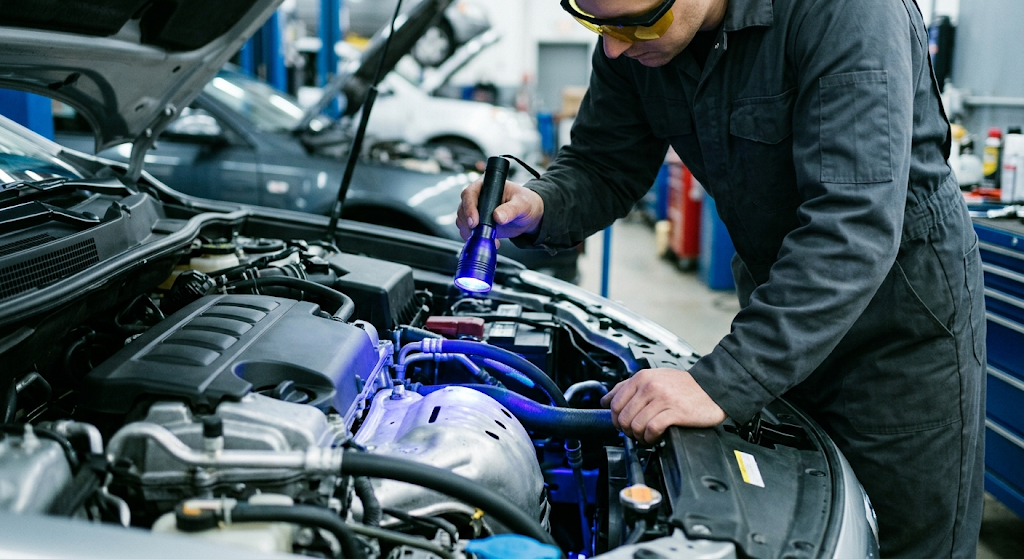
An engine oil leak is dangerous because it directly deprives your vehicle’s internal components of vital lubrication, leading to severe friction, extreme heat buildup, and catastrophic engine failure if left unaddressed. Driving with a leaking oil system on Oahu also creates significant fire hazards if fluid drips onto hot exhaust manifolds, while simultaneously releasing toxic petroleum pollutants onto island roadways and delicate coastal environments.
At Pearl City Auto Works, we see firsthand how unique island conditions accelerate engine fluid leaks. The combination of salty ocean air, high humidity, heavy stop-and-go traffic on H-1, and steep mountain climbs puts immense thermal stress on your engine's rubber gaskets, silicone seals, and plastic fittings. Identifying fluid pools early saves thousands of dollars in major mechanical repairs down the road.
5 Common Signs Your Vehicle Has an Engine Oil Leak
Catching fluid loss before your dashboard warning lights illuminate prevents permanent internal engine wear. Vehicle owners should watch out for these five common indicators:
- Dark Brown or Amber Puddles: Finding dark, slippery fluid on the ground under your engine bay after parking in your driveway or garage.
- Burning Oil Odor: A harsh, acrid smell inside or outside the cabin caused by engine oil dripping directly onto blistering exhaust components.
- Blue or Grey Exhaust Smoke: Smoke exiting your tailpipe during acceleration, indicating oil is leaking internally past worn valve seals or piston rings into the combustion chamber.
- Rapidly Dropping Oil Levels: Consistently needing to top off your oil reservoir between standard scheduled maintenance intervals.
- Dashboard Warning Lights: An illuminated oil pressure warning light or check engine light appearing on your gauge cluster.
Safety Warning: If your red oil pressure light illuminates or you hear loud metallic knocking sounds from the engine bay, pull over safely and turn off the ignition immediately. Operating an engine without adequate oil pressure can destroy internal components within minutes.
The Primary Causes of Engine Oil Leaks on Oahu
Understanding where fluid breaks through helps prioritize necessary vehicle upkeep. Heat, pressure cycles, and road vibrations gradually degrade even high-grade synthetic gaskets over time.
| Component | Common Cause | Impact Level | Typical Solution |
|---|
| Valve Cover Gasket | Rubber hardens, cracks, and degrades from severe engine heat | Moderate | Remove valve cover, clean mating surfaces, and install a fresh gasket |
| Oil Pan Gasket | Impact damage from road debris, rust, or degraded pan sealant | Low to Moderate | Drain motor oil, drop the pan, clean mating surfaces, and replace the seal |
| Oil Filter & Drain Plug | Loose fitting, double-gasketed filter, or stripped plug threads | Low | Correct installation, thread repair, or filter replacement during service |
| Front/Rear Main Seals | Age, crankshaft wear, or high-mileage seal degradation | High | Specialized labor to remove transmission or timing cover and press in new seals |
| Timing Cover Gasket | Thermal expansion cycle failure over extended mileage | Moderate to High | Disassemble front engine accessories and timing components to reseal |
| Oil Filter Housing Gasket | Brittle plastic or degraded rubber seals at the engine block connection | Moderate | Remove housing assembly, clean block surfaces, and replace rubber seals |
The Hidden Dangers of Ignoring an Engine Oil Leak
Ignoring a minor oil drip on your garage floor might seem harmless, but driving with a compromised lubrication system introduces several severe hazards to your vehicle and your wallet.
1. Total Engine Seizure and Mechanical Failure
Motor oil serves as the lifeblood of your engine. It creates a micro-thin hydraulic barrier between rapidly moving metal components, such as pistons, connecting rods, camshafts, and the crankshaft. When fluid leaks out, friction spikes dramatically. Without sufficient lubrication, metal components grind directly against each other, generating extreme heat that can weld internal engine parts together, resulting in complete engine seizure.
2. High Risk of Underhood Engine Fires
Motor oil is highly flammable when exposed to extreme temperatures. When a gasket fails at the top of the engine, oil often drips directly onto hot exhaust manifolds or catalytic converters, which routinely operate at temperatures between 500°F and 1,200°F. This creates an immediate risk of a fast-spreading engine fire while you are operating the vehicle.
3. Damage to Rubber Suspension and Belt Components
Leaking oil does not stay in one place. As you drive, wind current spreads escaping oil across the underside of your engine bay. Petroleum products aggressively soften, swell, and rot natural rubber components. A persistent oil leak can rapidly destroy engine mounts, lower control arm bushings, serpentine drive belts, and radiator hoses, leading to secondary mechanical failures.
4. Environmental Contamination in Hawaii
Oahu's storm drain system carries runoff directly into our ocean waters and coral reefs. Motor oil leaked onto driveways and asphalt washes into local watersheds during heavy island rains. A single quart of leaked motor oil can contaminate up to one million gallons of fresh water, making timely leak repairs an essential step in protecting Hawaii's natural ecosystems.
How Pearl City Auto Works Diagnoses and Repairs Oil Leaks
We take the guesswork out of engine troubleshooting. Our certified technicians follow a methodical process using advanced diagnostic equipment to isolate the exact source of any leak before performing repairs.
Our 4-Step Diagnostic & Repair Process
- Digital Vehicle Health Inspection: We perform a thorough visual inspection of your engine bay and lower chassis. We document existing issues using high-resolution photos and clear notes sent directly to your phone or email.
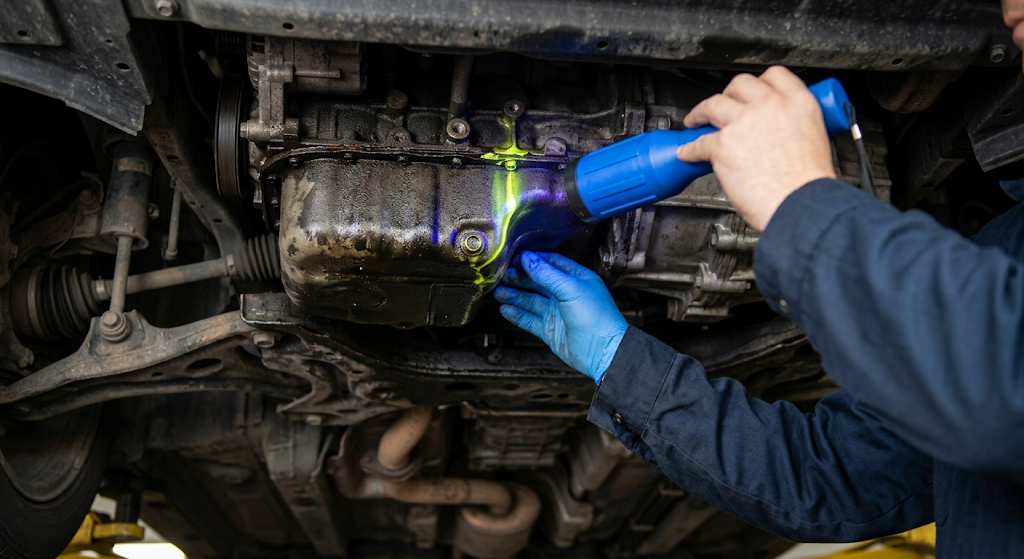
- UV Dye Testing: For hard-to-find or multiple overlapping leaks, we add a specialized fluorescent leak-detection dye into your crankcase, run the engine, and inspect the bay under ultraviolet light to pinpoint the exact leak origin.
- Transparent Repair Recommendations: We explain our findings clearly, prioritizing urgent safety repairs while outlining items that can wait. You receive an itemized, upfront cost estimate before any work begins.
- Precision Repair & Quality Re-Test: Our team replaces worn components using high-grade original equipment parts, cleans residual fluid from your engine chassis, and performs a post-service evaluation to confirm complete sealing.
Maintaining your vehicle properly extends its overall lifespan. You can save on routine upkeep by reviewing our current auto repair coupons before scheduling your visit.
Engine Repair and MaintenanceWhy Island Driving Accelerates Engine Wear
Driving on Oahu presents specific environment-driven challenges for motor vehicles. High ambient humidity accelerates atmospheric corrosion on aluminum and iron engine surfaces, while daily stop-and-go commutes through Honolulu generate intense engine compartment heat. Extended thermal cycling breaks down synthetic and conventional gaskets faster than in mild mainland climates.
According to automotive maintenance guidelines from the Car Care Council, routine maintenance and timely fluid leak repairs prevent major mechanical breakdowns and protect overall vehicle resale value. Additionally, proper fluid disposal keeps harmful toxins out of Hawaii's delicate coastal ecosystems, fulfilling state environmental regulations enforced by the Hawaii Department of Health.
Preventative Maintenance: How to Keep Your Seals Intact
While engine gaskets inevitably age, proactive vehicle care significantly extends the life of your engine's internal and external seals:
- Change Motor Oil Regularly: Fresh oil contains vital conditioning additives that keep synthetic and rubber seals pliable. Old, dirty oil breaks down into abrasive sludge that accelerates seal wear.
- Avoid Overfilling Motor Oil: Adding too much oil creates excessive crankcase pressure, which forces oil past fragile main seals and valve cover gaskets.
- Fix PCV System Failures: A clogged Positive Crankcase Ventilation (PCV) valve traps pressure inside the engine block, blowing out oil pan gaskets and valve cover seals.
- Schedule Regular Digital Inspections: Catching minor seepage during standard oil changes allows you to address worn gaskets before they fail completely on the road.
What Local Oahu Drivers Are Saying
We pride ourselves on transparent communication, direct diagnostic reports, and reliable care for all vehicle makes. Here is what local vehicle owners share about their experiences with our team:
"Thorough diagnosis of issues with vehicle. No pressure of any kind to do all work. They explained urgency factors for each issue."
Eric, Local Customer
"Shop did a great job with diagnosing and recommending repair and maintenance for 2013 Scion FRS."
Lamberto, Local Customer
Frequently Asked Questions
Can I drive my car with a minor oil leak?
Driving short distances with a minor leak is possible if your engine oil level remains within the safe operating range on the dipstick, but it remains a risky practice. Minor leaks can quickly escalate into major leaks, risking severe engine damage or fire hazards if escaping oil hits hot exhaust components.
How much does it cost to fix an engine oil leak?
The total repair cost varies depending on the location and accessibility of the leaking seal. Replacing a valve cover gasket or drain plug washer is straightforward and affordable, whereas replacing a rear main seal requires removing the transmission to access the back of the crankshaft. We provide clear digital estimates before starting any work.
Why does my car leak oil only when running?
When your engine runs, the oil pump pressurized the fluid to lubricate overhead components. Leaks located at pressure sensors, oil filter adapters, timing covers, or oil cooler lines often manifest only when internal system pressure builds during engine operation.
Will fixing an oil leak improve engine performance?
Yes. Fixing leaks restores proper crankcase pressure and ensures your engine maintains full lubrication. This reduces internal operating friction, lowers engine running temperatures, prevents misfires caused by oil fouling spark plugs, and keeps your engine running efficiently.
How often should I check my engine oil level?
We recommend checking your engine oil level using the dipstick at least once every month and prior to taking long drives across the island. If you notice fluid spots on your driveway or smell burning oil after driving, check your oil levels immediately.
Protect Your Engine Today
Do not wait for a minor oil drip to turn into a costly engine replacement. Our team at Pearl City Auto Works is ready to inspect, diagnose, and repair your vehicle with clear updates at every step of the process.
CONTACT US TODAY!BOOK A NO-CONTACT APPOINTMENT