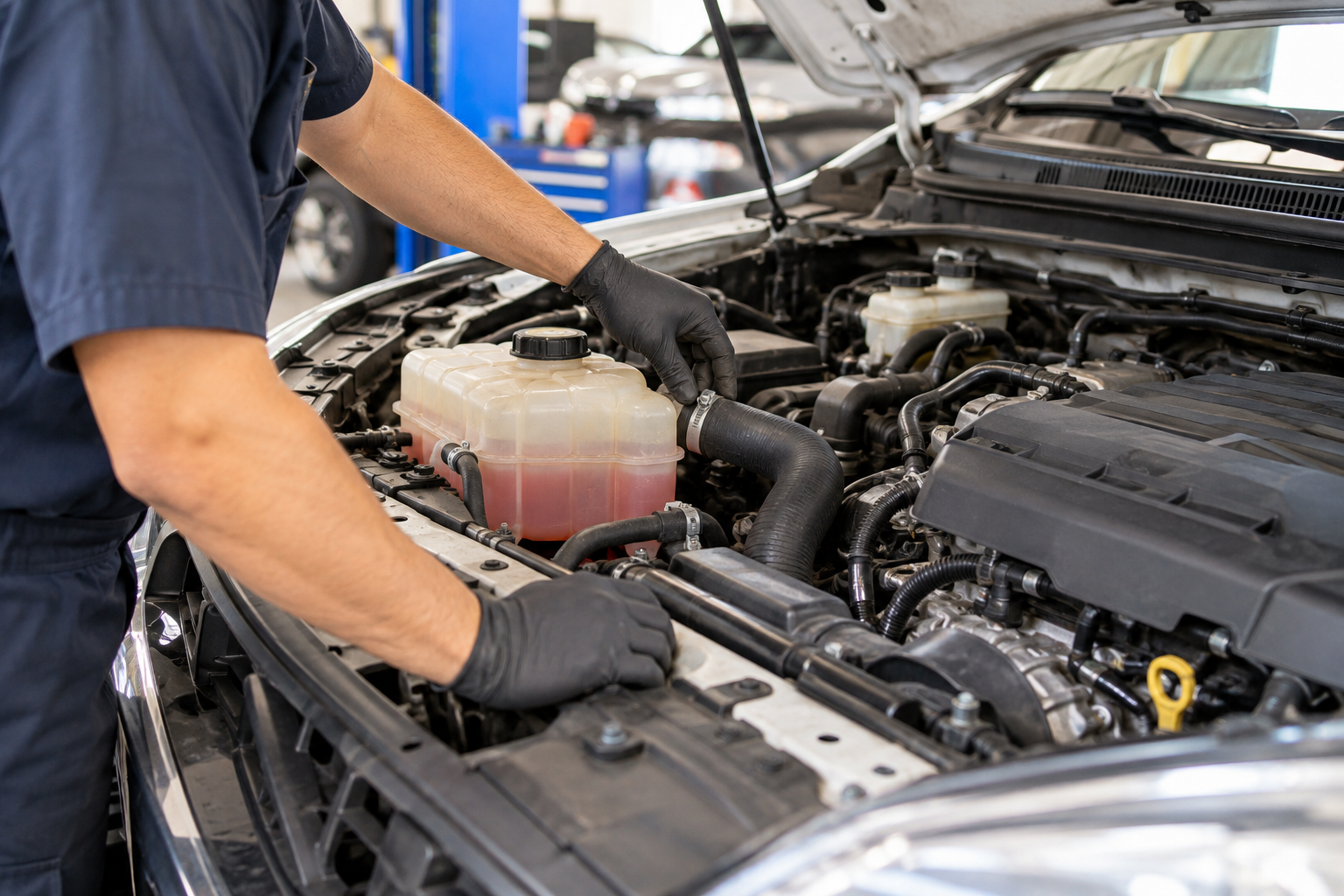
When you turn on your car's heater, you expect warm air from the vents. If the air stays cold, becomes warm only while driving, or changes temperature unexpectedly, something may not be working correctly.
A car heater blowing cold air can result from low coolant, a faulty thermostat, restricted coolant flow, or a problem with the heating and ventilation controls. Some of these issues affect cabin comfort, while others may indicate a problem with the engine's cooling system.
At Pearl City Auto Works, we help drivers in Aiea, Pearl City, and surrounding Oahu communities investigate vehicle heating, cooling, and engine-performance concerns.
Even in Hawaii, where cabin heat may not be needed frequently, heater problems deserve attention—particularly when they affect windshield defogging or appear alongside coolant loss or engine-temperature warnings.
Common Signs of a Car Heater Problem
A heater problem does not always mean the system produces no heat at all. The timing and behavior of the problem can provide useful clues.
| What you notice | Possible concern |
|---|
| Heater blows cold air continuously | Low coolant, thermostat issue, or heating-system fault |
| Heater works while driving but cools at idle | Low coolant or a coolant-circulation problem |
| Heater takes unusually long to warm up | Thermostat or engine warm-up concern |
| One vent blows warm air while another stays cold | Air-distribution or temperature-control problem |
| Sweet smell inside the cabin or damp carpet | Possible heater-core coolant leak |
| Heater problem with rising engine temperature | Potential cooling-system problem requiring prompt attention |
These symptoms are not definitive diagnoses. Different faults can produce similar behavior, and the cause depends on the vehicle's heating and cooling design.
5 Common Causes of Cold Air From Car Vents
1. Low Engine Coolant
In many gasoline-powered vehicles, the cabin heater uses heat from the engine's coolant. Hot coolant circulates through a small heat exchanger called the heater core, allowing air passing through it to warm up.
When the coolant level becomes too low, there may not be enough circulation through the heater core to provide consistent heat.
Low coolant can also indicate a leak involving a hose, radiator, water pump, or another cooling-system component.
If your coolant level keeps dropping, the underlying cause should be identified rather than repeatedly topping it off. Our cooling system service and repair can help address coolant leaks and related cooling-system concerns.
Possible warning signs include fluctuating heater temperature, a low-coolant warning, or an engine-temperature problem.
Never remove a radiator cap or pressurized coolant reservoir cap while the engine is hot. The cooling system may contain pressurized hot liquid that can cause severe burns.
2. A Thermostat That Is Stuck Open
The thermostat helps regulate coolant flow so the engine can reach and maintain its intended operating temperature.
If the thermostat sticks open, some engines may take longer than normal to warm up. As a result, the heater may produce only lukewarm air, particularly during shorter trips.
A stuck-open thermostat may also affect engine operating efficiency.
However, slow cabin heating alone does not prove the thermostat is faulty. Other cooling-system and temperature-control problems may produce similar symptoms.
3. Restricted Heater-Core Flow
The heater core transfers heat from engine coolant into the air entering the cabin.
If coolant cannot circulate through it properly, heating performance may decrease.
Restrictions can develop from contamination or deposits within the cooling system. In other cases, a heater-core leak may cause coolant loss.
Possible symptoms include weak cabin heat, a sweet coolant smell, or moisture inside the vehicle.
A suspected heater-core problem should be evaluated before deciding whether a component needs repair or replacement.
4. Temperature-Control or Airflow Problems
Sometimes the engine's cooling system is operating normally, but the heating and ventilation system is not directing air through the correct path.
Depending on the vehicle, the problem may involve a blend door, an actuator, a control circuit, or another temperature-control component.
For example, a malfunctioning blend door may prevent air from passing through the heater core as intended.
These problems can cause inconsistent temperatures or cold air from certain vents even when the engine is warm.
Some temperature-control problems involve electronic components, sensors, or control circuits. Depending on the vehicle and symptoms, our computer diagnostics can help investigate related electrical or control-system faults.
Our verified A/C service capabilities include investigating airflow, electrical, and control concerns. The specific evaluation depends on the vehicle and symptoms.
5. Cooling-System Circulation Problems
The water pump circulates coolant through the engine and related components.
If coolant circulation becomes inadequate, the heater may not receive a consistent supply of hot coolant.
Depending on the underlying problem, you might notice weak heat at idle, changes in engine temperature, or other cooling-system symptoms.
Air trapped in the cooling system after certain repairs can also interfere with coolant circulation.
Because these symptoms overlap with low coolant and thermostat problems, identifying the cause is important before replacing parts.
Cooling-System Warning Signs That Need Attention
A heater blowing cold air is not always an urgent problem. However, some accompanying symptoms suggest a more serious cooling-system concern.
Stop driving when it is safe to do so if you notice:
- An engine-temperature gauge entering the overheating range
- An overheating warning light or message
- Steam coming from beneath the hood
- Rapid coolant loss or a significant coolant leak
- A heater suddenly going cold while the engine temperature rises
If abnormal engine temperature occurs alongside rough running, reduced power, or other engine-performance concerns, additional engine diagnostics may be needed to identify the underlying problem.
Continuing to drive an overheating vehicle can cause serious engine damage.
If the engine is overheating, turn off the vehicle when safely parked and allow it to cool. Do not open the cooling system while it is hot.
If the vehicle cannot be driven safely, arrange appropriate assistance rather than attempting to reach a repair shop.
Safe Checks Before Scheduling Service
You do not need to take apart the heating system to gather useful information.
Before your appointment, note whether the heater stays cold continuously or changes temperature during driving.
You can also check the following:
- Temperature setting: Confirm the system is set to heat rather than cooling.
- Fan operation: Note whether the blower works at different speeds.
- Engine temperature: Watch for abnormal temperature readings or warning lights.
- Coolant level: If your owner's manual permits it, check the designated reservoir only when the engine is completely cool.
- Visible leaks: Look for coolant beneath the parked vehicle without reaching into a hot engine compartment.
If the heater works only while driving, mention that when scheduling. The difference between idle and driving conditions may help guide the evaluation.
Avoid adding stop-leak products or replacing cooling-system components without identifying the problem. Some products and repairs may introduce additional complications without addressing the underlying cause.
Vehicle Heating and Cooling Diagnostics at Pearl City Auto Works
At Pearl City Auto Works, we provide Cooling System Service and Repair, including work involving radiators, water pumps, thermostats, fans, hoses, coolant leaks, and overheating concerns.
We also offer A/C service and repair for airflow, electrical, and control-system problems.
When you bring us a vehicle with a heating concern, we start by understanding the symptoms you have noticed. The appropriate diagnostic approach depends on the vehicle and whether the problem appears related to coolant circulation, engine temperature, or cabin temperature controls.
We explain our findings and recommend repairs before proceeding with additional work. No additional repairs are performed without your authorization.
As a second-generation, family-owned independent repair shop in Aiea, we service American and foreign vehicles, with limited service for certain luxury imports.
If transportation is a concern, ask about our loaner vehicles or shuttle service to neighboring towns. Availability and arrangements should be confirmed when scheduling.
What Local Oahu Drivers Are Saying
When your vehicle develops an unfamiliar problem, clear communication and dependable service can make the repair process easier to navigate. Here's what local customers have shared about their experiences with Pearl City Auto Works.
"Great service from the door to the floor!!! Finally great and Honest car service!!!!"
Will Chambliss, Local Customer
"Great customer service and attention to details about our vehicles."
Carmen Scelsa, Local Customer
These experiences reflect the importance of communication and attention to detail when choosing a repair shop.
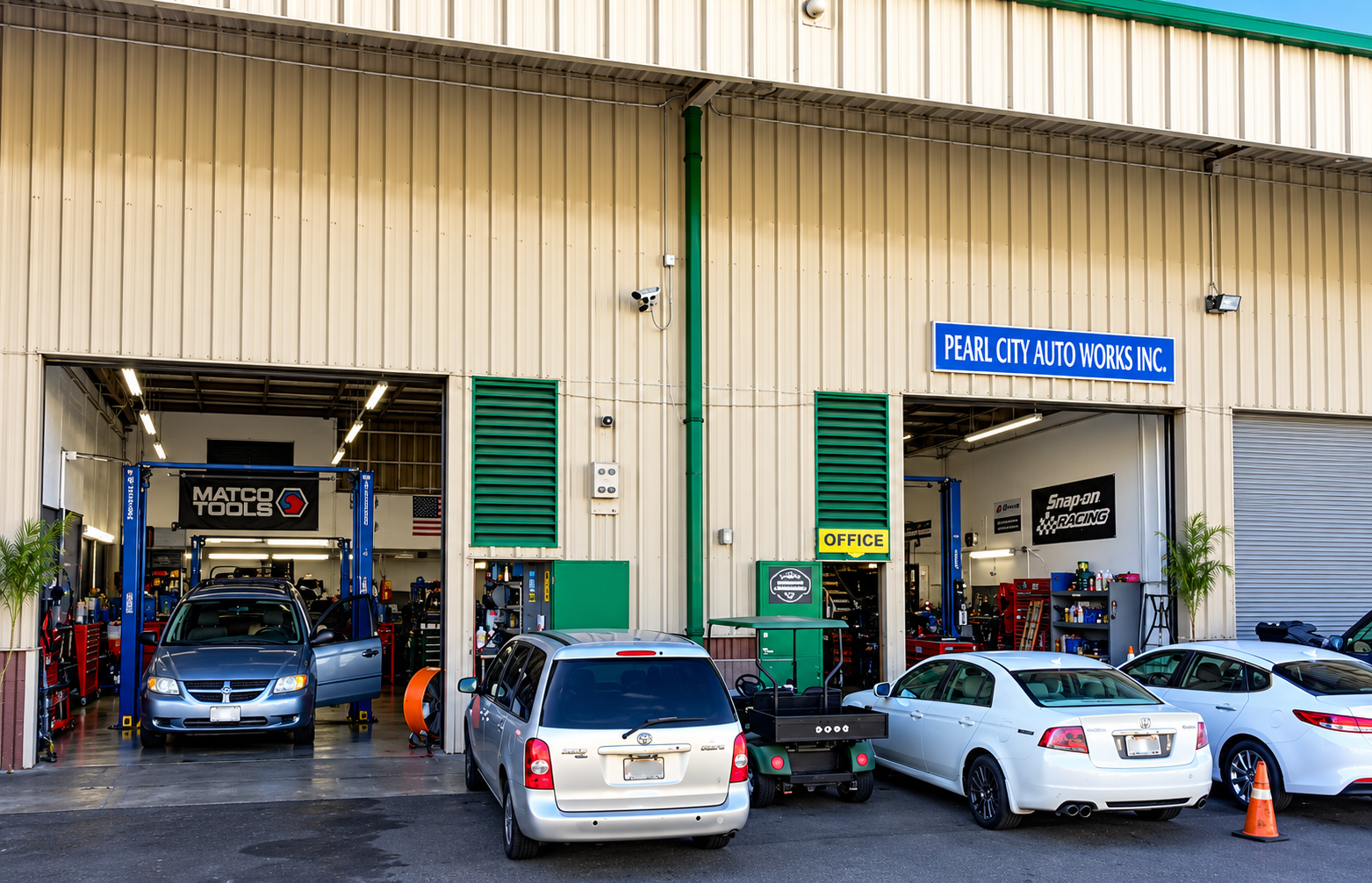
Schedule Heating and Cooling-System Service in Aiea
If your car heater blows cold air, works inconsistently, or develops problems alongside coolant loss or abnormal engine temperature, our team can help you investigate the concern.
Tell us when the problem happens, whether the engine reaches its normal operating temperature, and whether you have noticed warning lights or leaks.
Pearl City Auto Works
98-025 Hekaha St, Aiea, HI 96701
Monday–Friday: 8:00 AM–5:00 PM
Phone: (808) 201-7272
CONTACT US TODAY!BOOK A NO-CONTACT APPOINTMENT