When DIY troubleshooting ends and professional diagnosis begins depends on one clear factor: the moment your electrical issue goes beyond a simple blown fuse or dirty battery terminal and involves computerized components or intermittent symptoms.
Modern vehicles are complex electronic networks with 30 to 50 electronic control modules communicating through multiplexed wiring systems. In Oahu’s humid, salt-heavy marine environment, guessing what is wrong leads to expensive "parts swapping" that rarely fixes the actual fault.
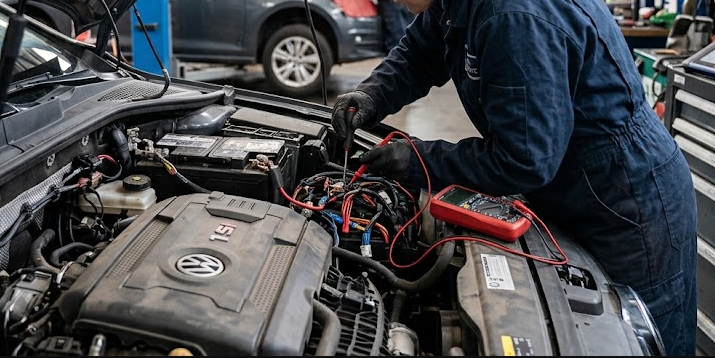
At Pearl City Auto Works, our ASE-certified technicians combine advanced computerized testing equipment with three generations of hands-on experience to pinpoint the exact failure, saving you time and preventing unexpected expenses.
When DIY Troubleshooting Ends and Professional Diagnosis Begins
Your dashboard lights up unexpectedly, your battery drains overnight, or your car refuses to start despite installing a brand-new battery. Buying a cheap multimeter and swapping out parts based on video tutorials seems convenient. However, modern automotive architecture requires far more than basic hand tools.
According to the Society of Automotive Engineers (SAE), late-model vehicles contain up to 65 million lines of software code. These systems interact across Controller Area Network (CAN bus) protocols. Without specialized computerized scanning units, DIY troubleshooting usually leads to costly mistakes.
| Diagnostic Method | DIY / Parts Swapping | Professional Diagnosis (PCAW) |
|---|
| Accuracy Rate | 40% to 50% success rate | 99%+ pinpoint accuracy |
| Diagnostic Tools | Basic multimeter and visual checks | Professional scan tools and lab scopes |
| Avg. Unnecessary Cost | Approximately $300 to $600 in wasted parts | $0 (Only replace what is broken) |
| Labor Time Wasted | 3 to 5 hours chasing symptoms | 1 to 2 hours systematic testing |
| Warranty Protection | None on DIY work | 12-Month / 12,000-Mile Warranty |
Guessing gets expensive. Replacing an alternator when the real culprit is a corroded ground connection or a failing voltage regulator wastes money. ASE Certification ensures your vehicle is in skilled hands. Mechanics holding ASE A6 (Electrical/Electronic Systems) certification pass testing covering starting, charging, lighting, and accessories (a test with a 40% first-time pass rate).
At Pearl City Auto Works, our team brings over 100 combined years of hands-on experience across all vehicle makes and models.
What Quality Electrical Repair Actually Looks Like
When you bring your vehicle to our shop on Hekaha Street in Aiea, we do not guess. We follow a clear four-step diagnostic process:
- Computerized Scanning (Module Fault Extraction): We connect factory-grade diagnostic scanners to pull active and historical trouble codes from all onboard control units.
- System Voltage & Load Testing (Power & Ground Verification): We stress-test your battery, alternator, and starter under realistic electrical loads to evaluate charging system performance.
- Circuit & Wiring Tracing (Isolating Resistance & Shorts): Using digital oscilloscopes and circuit tracers, we check for unwanted voltage drops, short circuits, or corroded wiring.
- Digital Inspection Report & Estimate (Complete Transparency): We send a comprehensive digital inspection report complete with photos of your car's components, so you see exactly what failed before authorizing any repairs.
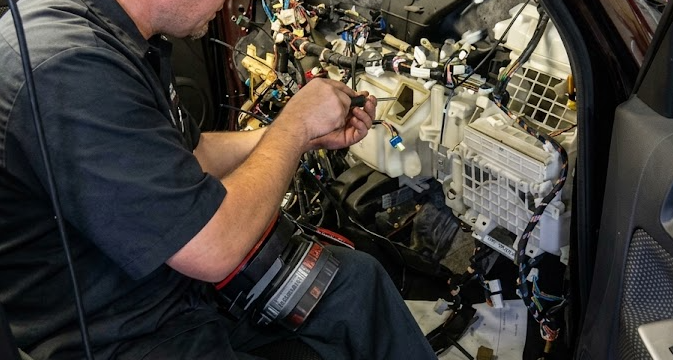
As a proud NAPA Auto Care Center, we use high-grade electrical components engineered for long-term reliability. Every qualifying repair is backed by our 12-month / 12,000-mile warranty, giving you complete peace of mind.
Evaluating Honolulu & Aiea Electrical Repair Shops Beyond Price
When your vehicle will not start, convenience is vital. However, choosing a local shop based strictly on low initial diagnostic quotes can end up being a costly mistake. Finding an honest repair team requires looking closely at how a shop operates, the quality of their diagnostic equipment, and their long-term commitment to the island community.
Before committing your vehicle to a facility, evaluate how these common industry warning signs compare to our standards at Pearl City Auto Works:
- Red Flag: Quoting a repair price over the phone before running diagnostic tests.
- PCAW Standard: We run complete diagnostic testing first and provide a full digital breakdown with photos before you spend money on repairs.
- Red Flag: "Five-minute" checks that only pull basic engine codes.
- PCAW Standard: We test whole system circuits, charging output, and parasitic drain over a thorough evaluation window.
- Red Flag: Transient operations with high technician turnover and no local root system.
- PCAW Standard: We have served Oahu drivers continuously since 1987 as a family-owned, 3rd-generation business.
We also offer special discounts and promotional coupons to keep essential maintenance affordable for local families.
Electrical Failures That Demand Immediate Attention
While a faulty auxiliary power socket can wait, certain electrical issues create immediate safety hazards or lead to progressive damage. We recommend addressing these four high-risk failures right away:
- Dashboard Warning Lights (ABS & Airbag): An active ABS light means your anti-lock braking system fails during emergency stops. An illuminated airbag light indicates your restraint system might not deploy during an impact. Have these safety systems diagnosed promptly to protect your passengers.
- Charging System Failure (Battery/Alternator): When an alternator fails, your car runs solely on battery reserves. Draining the battery completely can shut down vital control modules mid-drive, corrupting software and leaving you stranded on the road. Minimize electrical power draw and seek service immediately before your battery dies.
- Exterior Safety Lighting: Non-functional brake lights, turn signals, or headlights violate Hawaii traffic laws and dramatically increase rear-end collision risks. Repair your bulbs or wiring before driving on major routes like the H-1 or Kamehameha Highway.
- Burning Smells or Flickering Lights: A burning plastic odor or rapidly flickering interior lights point to electrical arcing or overheating wiring harnesses. This creates a severe risk of an engine compartment fire. Pull over safely and shut off the ignition immediately.
Protecting Electrical Systems in Island Conditions
Living in paradise comes with a hidden tax on your vehicle’s electrical system. Island heat and airborne salt spray accelerate electrical degradation:
- Accelerated Battery Degradation: Battery Council International data indicates batteries in hot, humid climates average a 3 to 3.5-year life span compared to 4 to 5 years inland. Heat accelerates internal fluid evaporation and grid corrosion by 50%.
- Rapid Terminal Corrosion: Coastal air increases terminal and connector corrosion rates significantly. Corrosion creates high electrical resistance, mimicking a failing starter or alternator when the fix may simply be terminal restoration.
Preventive Maintenance Checklist for Oahu Drivers
- Test Every 6 Months: Have your battery, alternator, and starter output checked twice a year.
- Apply Dielectric Protection: Clean battery posts annually and coat connections with marine-grade dielectric grease or corrosion preventatives.
- Inspect Ground Cables: Ensure primary body ground straps are clear of green or white oxidation buildup.
What Local Oahu Drivers Are Saying
We pride ourselves on building long-lasting relationships based on clear communication, technical accuracy, and transparent service. Here is what our customers share on our reviews page:
"Extremely pleased with the service I received. A reoccurring check engine light has been plaguing my truck and of course the light goes off when I bring it to PCAW. Regardless, they hooked up to their diagnostic computer and checked everything as well as gave it a thorough test drive. They didn't try to upsell anything... The staff was also very friendly, informative, and it just felt like an honest operation with service as the focus."
Corvette 808, Local Customer
"Great service as always. Thorough diagnosis with images helps to understand what's going on with the vehicle. Thanks so much Tom!!"
Tom Carrido, Local Customer
Frequently Asked Questions (FAQ)
How does Hawaii's salt air affect my car's electrical system?
Airborne ocean salt accelerates electrical oxidation on battery terminals, ground cables, and wiring connectors up to three times faster than inland conditions. This corrosion creates high electrical resistance, which can drain your battery or mimic a failing alternator.
Why did my battery die again soon after replacing it?
If a new battery dies rapidly, the battery itself was likely not the root problem. You may have a parasitic battery drain (a module staying awake after the key is removed) or a failing alternator that is not keeping up with power demands while driving.
Can I jump-start my vehicle if it has an electrical fault?
Proceed with caution. Modern vehicles contain delicate electronic control modules. If your vehicle has a dead short or reverse-polarity surge during a jump-start attempt, you risk damaging microprocessors, leading to expensive module replacements.
How long does an alternator or starter replacement take?
Most alternator, starter, and battery replacements at Pearl City Auto Works are completed same-day. Complex wiring harness repairs or specialty module replacements may take 1 to 3 days depending on component availability.
What warranty do you offer on electrical repairs?
As an authorized NAPA Auto Care Center, Pearl City Auto Works provides a 12-month / 12,000-mile warranty on qualifying electrical repairs and parts.
Get Your Electrical System Diagnosed Right
Electrical problems rarely resolve themselves; they escalate. An intermittent hard start turns into a tow truck call, and a simple corroded terminal can drain a brand-new battery.
Avoid the expense and frustration of guessing. Let our 3rd-generation family team at Pearl City Auto Works diagnose your vehicle right the first time.
Book a No-Contact Appointment