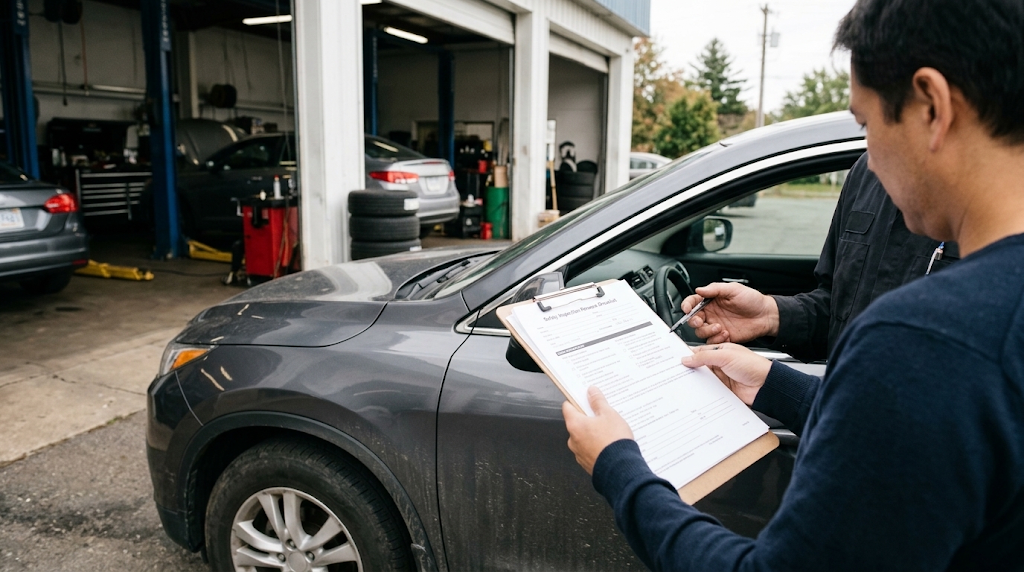
You paid for an auto repair, but the problem hasn't gone away. Maybe the same warning light returned, the vehicle still makes an unusual noise, or your final bill includes charges you weren't expecting.
If an auto repair goes wrong in Hawaii, start by documenting the problem, reviewing your paperwork, and contacting the original shop. If the issue remains unresolved, consider a second opinion or the appropriate consumer complaint process.
At Pearl City Auto Works, we understand how important reliable transportation is for Oahu drivers. Here's how to handle common repair problems, understand your options, and make informed decisions about your vehicle.
Common Auto Repair Problems and What to Do First
Not every unsuccessful repair means the mechanic was dishonest. Vehicle problems can have several causes, and sometimes additional testing is needed.
However, certain situations deserve a closer look.
| Repair problem | Recommended action |
|---|
| Original symptom returns | Contact the shop and explain when it returned |
| Unexpected charges | Compare the invoice with your estimate |
| Repairs you didn't authorize | Request documentation of your approval |
| New symptoms after service | Record the symptoms and request an assessment |
| Poor communication | Follow up in writing |
| Disagreement about repair quality | Consider an independent second opinion |
The goal is to determine whether you're dealing with an unresolved mechanical issue, a communication problem, or a billing dispute.
Each situation requires a slightly different approach.
Steps to Take When a Repair Doesn't Fix the Problem
When a problem returns after service, it's reasonable to question what happened. Before assuming the repair was performed incorrectly, gather the information needed for a productive discussion.
1. Document the symptoms
Record when the problem returned and whether anything changed after the repair.
Include the original complaint, repair date, warning lights, unusual noises, and driving conditions when the issue occurs.
Photos or short videos may help explain intermittent symptoms.
If the vehicle develops serious braking, steering, overheating, or other safety-related problems, stop driving when safe and arrange assistance.
Give the shop an opportunity to review the concern.
Explain what you're experiencing and reference the original repair order. Ask whether further testing is necessary and whether any additional diagnostic charges apply.
A recurring symptom doesn't always mean the previous repair was unnecessary. Different components can produce similar symptoms.
3. Request a written explanation
Ask for documentation of the findings and any newly recommended repairs.
If the explanation remains unclear, consider having another qualified shop evaluate the vehicle before authorizing additional work.
Keeping the conversation focused on specific symptoms and findings helps avoid unnecessary disagreements.
Understanding Unexpected Repair Charges in Hawaii
Unexpected charges are among the most frustrating problems customers encounter.
Hawaii regulates motor vehicle repair practices under HRS Chapter 437B.
Under HRS §437B-15, repair dealers generally must provide a written estimate before beginning a specific repair job unless the customer waives that estimate in writing.
The law also establishes requirements for customer consent when repair costs exceed applicable estimate thresholds.
If your bill is higher than expected, compare the following:
| Document | What to review |
|---|
| Original estimate | Proposed repairs and estimated charges |
| Repair authorization | Work you agreed to |
| Additional approvals | Changes approved during service |
| Final invoice | Completed work, parts, and labor |
A diagnostic fee isn't automatically an improper charge. Testing can require technician time and specialized equipment even when the exact cause isn't immediately apparent.
If something doesn't match your understanding, request an explanation before assuming the charge was unauthorized.
At Pearl City Auto Works, we explain our findings and obtain authorization before additional repair work.
Getting a Second Opinion on an Auto Repair
A second opinion can help when a repair hasn't resolved the original concern, the recommended work is expensive, or the diagnosis remains unclear.
Bring your previous invoice, repair history, and a description of the symptoms.
Ask the second shop to explain what it found, whether the previous repair appears related to the current problem, and what additional work may be necessary.
For example, rough engine performance could involve ignition components, sensors, fuel delivery, or other systems. Repairing one defective component may not resolve a separate issue.
An independent assessment provides more information, but it doesn't automatically establish that the first mechanic made a mistake.
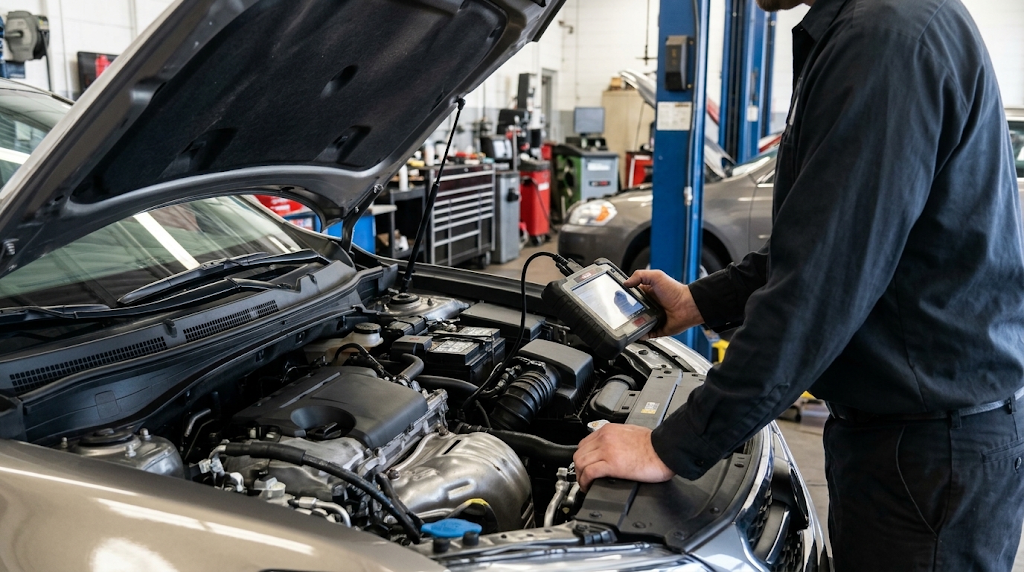
Our Aiea shop provides vehicle diagnostics, electrical repair, brake service, engine repair, and other mechanical services.
If you're considering another assessment, contact our team to discuss the concern and whether it falls within our services.
View Engine Diagnostics and RepairHandling Auto Repair Disputes and Refund Requests
If communicating with the original shop doesn't resolve the issue, organize your documentation before escalating the disagreement.
Keep copies of your estimates, invoices, written authorizations, photographs, and correspondence.
Then send the shop a clear written explanation of the problem and the outcome you're requesting.
Depending on the circumstances, that might involve an explanation, another inspection, a billing correction, or refund consideration.
Consumer protection resources in Hawaii
The Hawaii Department of Commerce and Consumer Affairs provides information about regulated businesses and consumer complaints.
The Federal Trade Commission's Auto Repair Basics guide also explains practical steps for handling repair concerns.
Refunds aren't automatic. Whether you're entitled to one depends on the repair agreement, applicable law, and the facts of the dispute.
If you paid by credit card, contact your issuer promptly to ask whether a dispute process applies.
For larger disagreements, you may also wish to seek legal advice about available remedies.
Disclaimer: This information is educational and isn't legal advice.
How Pearl City Auto Works Approaches Repair Communication
At Pearl City Auto Works, we believe customers should understand their vehicle concerns before making repair decisions.
Our process begins with listening to the symptoms you've noticed. We evaluate the concern, explain our findings, and discuss recommended repairs.
You can ask questions about the proposed work and associated costs before deciding how to proceed.
Our independent, second-generation family-owned shop is located in Aiea and serves drivers from Pearl City and surrounding Oahu communities.
We also offer a free courtesy check-over by appointment, which can help identify visible concerns. It isn't a substitute for a complete diagnostic evaluation or an official Hawaii safety inspection.
For customers who need transportation during service, loaner vehicles may be available, and our shuttle service can assist with certain destinations in neighboring towns. Confirm arrangements when scheduling.
Our goal is to help you understand your options and make informed decisions about your vehicle.
Frequently Asked Questions
1. Can I request the old parts after a vehicle repair?
Hawaii's motor vehicle repair rules generally provide for the return of replaced parts when requested at the time the work order is taken, subject to certain exceptions. Ask before repairs begin, especially if parts must be returned to a supplier or manufacturer.
2. Does a repair warranty cover every future vehicle problem?
No. Coverage depends on the written warranty terms, including which parts and labor are covered, the coverage period, and exclusions. Ask for the details before approving work.
3. Can I request copies of my repair authorization?
You can ask the repair shop for copies of the estimate, repair order, and authorization records. These documents can help clarify which services were approved.
4. Should I stop driving if a problem returns immediately after repair?
It depends on the symptoms. Serious braking, steering, overheating, or other safety-related concerns may make continued driving unsafe. Stop somewhere safe and seek professional guidance before continuing.
5. Can a mechanic charge for additional diagnostic testing?
Additional testing may be necessary when a vehicle has multiple problems or an intermittent fault. Ask why the testing is recommended, what it costs, and whether you need to authorize it before proceeding.
Get Clear Answers About Your Vehicle Repair
When an auto repair doesn't go as expected, understanding the problem is the first step toward resolving it.
Document your concerns, review your paperwork, and ask questions before approving more work.
At Pearl City Auto Works, we're here to help Oahu drivers understand their vehicle concerns and explore appropriate repair options.
Whether you're experiencing a recurring warning light, unusual vehicle behavior, or another mechanical concern, contact our Aiea team to discuss the next step.
CONTACT US TODAY!BOOK A NO-CONTACT APPOINTMENT